Creatine: Powerful, Safe, Ubiquitous, and In Vogue. Why This Cellular Powerhouse Deserves the Hype and More

Michael Billington, MD

Chapter 1: Cultural Relevance

Creatine has been quietly delivering superlative energy in high school locker rooms and GNC stores for over 30 years, but in the past five, creatine sales have increased by 300%[1]. Why has everyone suddenly discovered it now? If you felt bombarded by ubiquitous sales pitches from influencers and periodicals, you're not imagining it. Business Insider, Women's Health, and (not to be outdone) Nature are all rushing to tell you (and your cellular metabolism) what's very old news: creatine supplementation is all upside and going to deliver in every energy-intensive situation it's invited to (so long as the fundamentals are structurally sound; more on this later).

The biological apparatus for creatine's success was already there. Creatine works, and the research proving it has been piling up for decades. But something shifted. What was once dismissed as "bro-science" is now being championed as the wellness world's most underrated supplement. The difference? We're finally paying attention to what actually happens at the cellular level when you need that extra push, whether it's a final rep, a mental sprint, or any moment of peak demand.

Chapter 2: Required Reading

Yet, skepticism is always warranted prior to initiating any new intervention, whether it's an over-the-counter supplement or a brand-new injectable weight loss drug. You're probably asking yourself, how could one relatively simple chemical compound, in such marginal doses, safely impact everything from attention span to bench press PRs? That seems too good to be true.

It does sound too good to be true. But indulge in a thought experiment. If we wanted to target broad improvements in performance with a theoretical drug, a pretty good target would be something that improved energy utilization. (For you nerds out there, this would be called an ergogenic aid). Our theoretical molecule would need to increase energy production in an on-demand fashion while not causing any untoward issues lingering around while waiting for us to work out. Finally, it would be nontoxic, preferably something our body recognizes and has millions of years of evolutionary familiarity with. As it just so happens, creatine fits the bill for these principles perfectly. But to understand why, it's important to have a basic understanding of how our cells (and hence ourselves) make and utilize energy.

Chapter 3: Energy

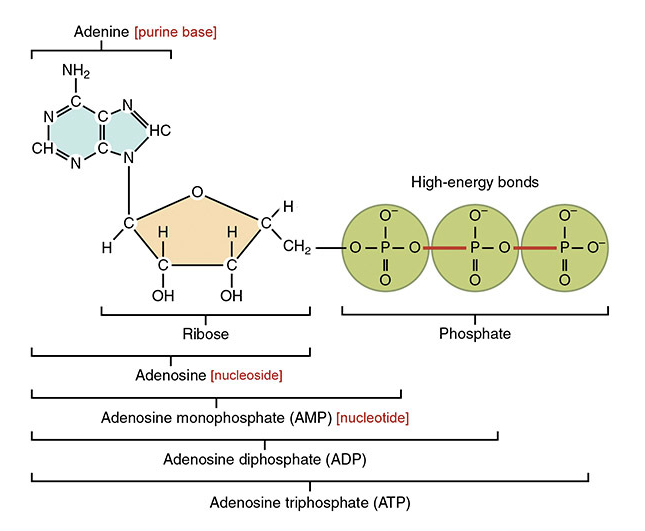
At the cellular level, the currency of energy is adenine triphosphate (ATP)[2]. In multicellular organisms like us humans, the principal mechanism of ATP production is via aerobic respiration, utilizing the molecular combustibility of oxygen we breathe in to drive ATP generation in our cells, with carbon dioxide as the exhaust we exhale.
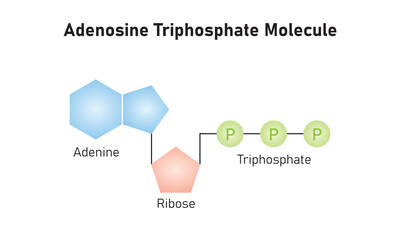
ATP molecular structure diagram
Figure 1: ATP

The location of aerobic respiration is in the engine, or powerhouse of the cell, the mitochondria (Figure 2), where glucose or fats are metabolized through a series of chemical reactions, generating 32 ATP from the metabolism of a single molecule of glucose.
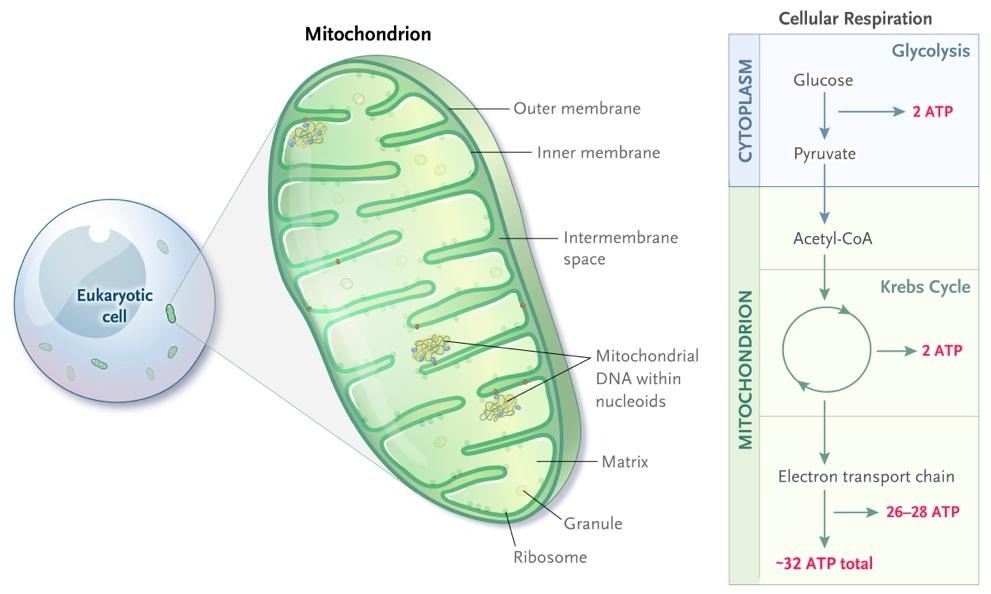
Mitochondria and the production of ATP diagram
Figure 2: Mitochondria and the Production of ATP[3]

A critical issue immediately arises with ATP as a source of energy. ATP isn't very stable. It's good on-demand energy but quickly degrades, losing a phosphate group, and degenerating into adenine diphosphate (ADP), a much more stable, but much less available energy source[4]. If only there was a molecule that could quickly replenish the missing phosphate group...

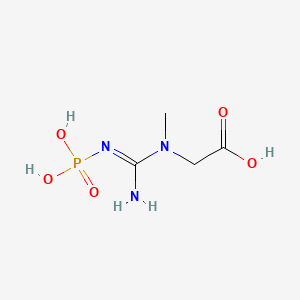
Creatine [N-(aminoiminomethyl)-N-methylglycine], exists in two forms: an amine and an imino form, something in biochemistry called a "tautomer". This is a handy characteristic insofar as it allows creatine to easily be converted to phosphocreatine (via creatine kinase; more on this later), thereby creating a reservoir (or battery) of phosphate. With this extra phosphate, it can supercharge lackluster ADP back into ATP. Simply put, the more phosphocreatine available, the more energy is immediately regeneratable.

Molecular structure of creatine
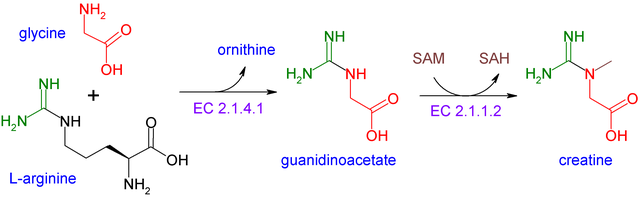
Figure 3: The molecular structure of our main character creatine[5] (above) and its endogenous production (below)[6]. Outside of direct ingestion from meat or supplementation, our body synthesizes creatine on its own. This process starts with the combination of the amino acids arginine and glycine mostly in the kidney and pancreas. An intermediary byproduct (guanidinoacetate) is then sent to the liver, where it is metabolized into creatine. Finally, it is released into the bloodstream and taken up by cells in high-demand areas (skeletal muscle, heart, and brain).
Creatine synthesis pathway in the body

Like a battery, phosphocreatine can be used temporally to boost energy (i.e. squeezing one last rep out of skeletal muscle by delaying fatigue, and thus facilitating more hypertrophy) or spatially, regenerating ATP at specific muscle (myofibril) sites of highest demand for a given activity. In the aggregate, these changes allow for more intense training and over time, more adaptive changes.

Chapter 4: A Brief History of the Science of Creatine: 1832-1996

To truly understand how powerful and fundamental creatine is to our biology, it's worth tracing the history of this impressive molecule. The story of our collective awareness of creatine, from its discovery in 1832 to its global cultural capture via social media in the past decade are fascinating unto themselves, but more importantly, informative to the underpinnings of why this molecule deserves the hype.

The primordial character history of creatine is the Frenchman Michel Chevruel (Figure 2), who first discovered it in 1832 (or 1835). He derived the name from the Greek kreas meaning "meat". This was because Chevruel was basically boiling meat and evaporating the solution attempting to isolate and identify organic compounds[7][8]. In a particular solution, he identified a distinct crystalline structure. He knew it contained nitrogen, was present in high concentrations in muscle tissue, was soluble in water, but not much else. Other than it tasted bitter -- taste was the mass spectrometer of the 1800s.[9]

Portrait of Michel Chevreul
Figure 4: Michel Chevreul seen here feeling a bit sore after chest day.

His work was followed by Justus von Liebig. Liebig was able to reproduce Chevreul's findings and made important new discoveries. He found that creatine wasn't scattered randomly through the body, but concentrated in muscle tissue. From that, he correctly inferred that creatine was no mere bystander but a constituent of muscle function itself. He went further: creatine doesn't stay static. It transforms into creatinine, which is then cleared in the urine.

Portrait of Justus von Liebig
Figure 5: Von Liebig, seen here looking annoyed all the squat racks are taken

That simple observation was revolutionary. It showed that chemical transformations underpin physiology — that a molecule could move from a functional role in muscle to a measurable waste product in urine. Liebig intuited what we now take for granted: biochemistry leaves footprints that can be measured.

Creatinine is one of those footprints. Today it's a cornerstone of clinical medicine: a basic metabolic panel staple, used both as a rough gauge of muscle mass and as a surrogate marker of kidney function. What Liebig saw as a chemical curiosity has become a number every clinician reads daily and one of the most familiar molecules in medicine.

Creatinine chart showing kidney function measurement
Figure 6: Creatinine - waste product of creatine used to gauge kidney function[10]

After Chevruel and Liebig, the world would have to wait another 50 years for another breakthrough to come. In 1927, Cyrus Hartwell Fiske and Yellapragada Subbarow of Harvard Medical School solved the next part of the creatine puzzle in a brilliant way. Prevoiusly, they had pioneered a method of determining the amount of phosphate in am organic sample by exploiting a particular reaction of phosphate with other chemicals, ultimately producing an intense blue color proportional with the amount of phosphate present in the sample. While utilizing this tool on skeletal muscle, they identified a previously unknown compound: Phosphocreatine. Fiske and Subbarow went on to show that phosphocreatine levels dropped during muscle contraction, while inorganic phosphate increased. The was a critical insight. It suggested that phosphate and creatine were extrinsically linked to muscle contraction. And it raised a big question: how? Although Subbarow and Fiske were unable to solve that mystery they continued to used of their ingenious phosphate-dectection system to great success, becoming two of three co-discovers of ATP, in 1929.
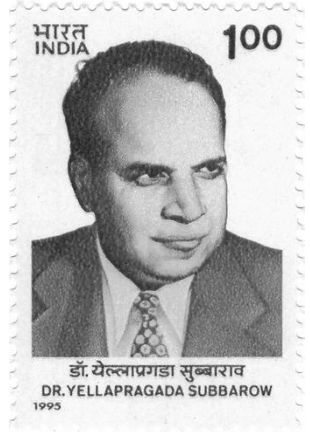
Dr. Yellapragada Subbarow
Phosphocreatine molecular structure
ATP molecular structure
Figure 7: Dr. Subbarow, originally from India. Many of his huge contributions to these discoveries were minimized during his lifetime. In the middle, phosphocreatine. On the right, ATP, arguably one of the most important discoveries in all of biology.

In the 1930s, numerous scientists, principally David Nachmanssohn (of Germany) and Einar Lungsgaard (of Denmark) solved this mystery by examining muscles in contraction and relaxation. Through independent experimentation, the two of them found

  • contracting fast twitching muscles contained more phosphocreatine than slow switch muscles
  • muscle could contract with the presence of phosphocreatine alone
  • Where as phosphocreatine rapidly broke down during the first few seconds of muscular work, ATP levels remained unchanged, despite the energy demands of contraction.

Integrating these observations together, they hypothesized what we know to be true: phosphocreatine was nobly sacrificing is phosphate to keep ATP levels stable. This idea became known as the phosphagen system: phosphocreatine buffers ATP by donating a phosphate to ADP[11].

This brings us to the first important enzyme in our story. Creatine kinase.

Intermission: Enzymes

Up to now we've been talking about molecules: creatine, phosphocreatine, ATP, ADP. But we should pause to appreciate the enzymes that make all of this chemistry possible, particularly creatine kinase.

If high school biology is a hazy memory in your rearview mirror, don't despair! Enzymes are special types of protein that speed up chemical reactions in living things. Without enzymes, most reactions in your body would be too slow to keep you alive. They act likely tiny biological machines and arranged molecular marriage practitioners, grabbing onto molecules, helping (or forcing) them to react. Enzymes have unique shapes, and a particular area called an "active site"; this fits certain molecules (called substrate) like a lock and key. Once the substrate binds, the enzyme stabilizes the reaction, driving down the costs, and making the reaction happen millions of times faster than it would on its own. Enzymes are specific to dedicated chemical reactions, are reusable, and are typically very tailored to unique environments they work in (temperature, pH etc).[12]
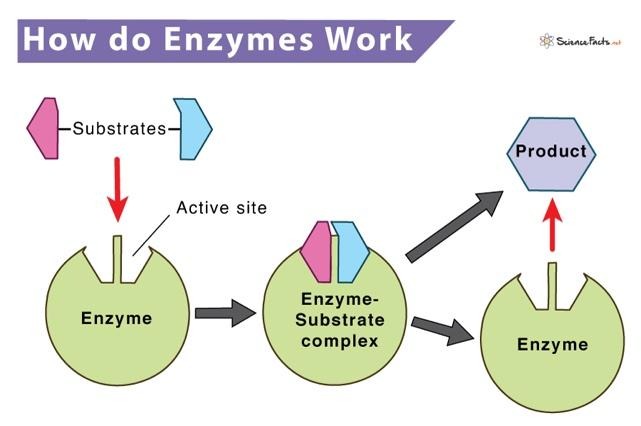
Enzyme diagram showing how enzymes work generally
Creatine kinase catalyzing reaction
Figure 8: Left - enzymes, generally; Right - creatine kinase, catalyzing the reaction of creatine and ATP into phosphocreatine.

So now you know what enzymes are and do. But's what's a kinase? A kinase is a particular type of enzyme that adds a phosphate group to a substrate. In biology, protein with the suffix "kinase" after it, means it's just adding a phosphate group to something. And now that you're both an enzyme expert and a creatine expert, you can see why creatine kinase (CK) was the next piece of the puzzle for scientists to understand how creatine worked it's metabolic magic.

Discovered in 1934, by 1929 noble prize of medicine winner Otto Fritz Meyerhof, creatine kinase cemented the understanding of phosphate metabolism in skeletal muscle. If we consider creatine the battery we use to draw energy on demand, creatine kinase is the charger for the battery. Ironically, it takes ATP to drive this enzymatic reaction. But as we already know, it's better to sacrifice the short-lived ATP for phosphocreatine (a much more stable energy reservoir) then for ATP to spontaneously break down into ADP with nothing to show for it.

Otto Fritz Meyerhof portrait
Figure 9: Otto Fritz Meyerhof, Nobel Prize-winner, seen here realizing muscles could only consume so much oxygen until lactic acid started to be produced.

Throughout the 1940s-1960s scientists continued to identify more specific enzymes, they found three particularly important kinds (isoenzymes) of creatine kinases. The first was mitochondrial CK. As its name implies, it was found in the mitochondria and loads creatine with phosphate generated from aerobic respiration via oxidative phosphorylation.

Next, they discovered a non-mitochondria creatinine kinase -- cytosolic CK (the cytosol is aqueous solution within cells). Cytosolic CK functioned to regenerate ATP right at the sites of muscle contraction (myofibrils) and other ATP-demanding sites and to deliver them, like the world's Tiniest Door dasher, to wherever they were needed at the moment.

Just like Pedro Pascal can pull off flamboyant androgenous roles one year then transition into the Platonic ideal of grizzled Texas (somewhat fragile) masculinity another, creatine kinases powerfully add multidimensionality to the effects of creatine on our body. Cytosolic CK be further broken down into subclasses. Each of these are built of two "subunits", named M (for muscle) and B (for Brain), based on where they are predominantly found. For Cytosolic CK, there are three main types.

  • CK – MM: Main isoenzyme in skeletal muscle (and will go through the roof if you were to measure your blood levels after a HIIT-workout)
  • CK – MB: Predominantly found in cardiac muscle, and (prior to the advent of troponin, was a biomarker that was measured to access for heart attack)
  • CK – BB: Found in the brain and smooth muscle

Mitochondrial CK Isoenzymes are made of four subunits, and located, as their name suggests, immediately adjacent to mitochondria. There are two main types:

  • ubiquitous mitochondrial CK – found all around the body, particularly in brain and smooth muscle
  • sarcomeric mitochrondrial CK – found mainly in the heart and skeletal muscle system, and specifically work to maintain high-energy phosphate transfer in contraction.

Ultimately, these enzymatic discoveries, and the integration of their function, revealed how creatine was able to meet the needs of energy activation but shuttling phosphate quickly and efficiently around they body.

Types of creatine kinases and their locations in the body
Figure 10: Types of creatine kinases and locations[13]

As you may have noticed from the figure above, creatine kinases where everywhere, and scientists quickly discovered that creatine is used throughout the body, especially in tissues with high energy demands. The finding that creatine kinases are abundant in the brain highlighted that this "battery system" is not only about squeezing out another bicep curl but may also play a role in boosting cognitive performance (more on this later). It also hinted that creatine was not just an energy transfer system, but was itself a potential regulator of other bodily functions or homeostasis.

While using CK as biomarkers was used in medicine, it took until the 1970s-1980s for exercise scientists to look at creatine entirely through a "performance" lens. In landmark studies by Swedish physiologists Hultman & Sjöholm, they performed muscle biopsies of the quadriceps, and found that for nearly the first 6 seconds, ATP stayed nearly stable while phosphocreatine dramatically dropped off. This proved that in the initial few moments of muscle contraction, nearly all energy utilization with achieved from regeneration of ATP from phosphocreatine, with other energy productions engaged thereafter.

Unequivocally established as important, the idea of supplementation of creatine was not seriously studied or adopted until the 1990s. Hultman, and others performed the first published oral supplementation of creatine in 1992. It interspersed creatine supplementation vs. placebo (cross over study) in 12 participants (9 men, 3 women) who were tasked with doing 30 maximal isometric contractions (lateral knee extensions if you're interested) interspersed with 1 minute recovery periods. The participants performed this protocol once, and then were either put on 5g of creatine/day or placebo. The authors found muscle torque production was improved in the creatine group with respect to force generated across the protocol, particularly in the last 10 contractions. This small study had much less impact on popular imagination then did the revelation that several accomplished athletes in the 1996 Olympic Games were supplementing with creatine.

An excellent tale of this is captured here for those interested (The Untold Story Behind Creatine)

Also in 1996, Volek et. al found a critical end point that no gym bro could reasonably pass up: the moment you've been waiting for: proof that your bench press improves on creatine. In this double-blind study, researchers asked whether a week of creatine loading could give trained weightlifters an edge. Fourteen men performed repeated bench press (5-sets) and jump squats (at 30% of their one rep max), before and after supplementation. The results were impressive: creatine users (25 grams of creatine a day, spaced out across 4 doses) squeezed out more reps on the bench and generated higher power in every squat set. Their post-workout lactate was higher too; not from inefficiency, but from pushing harder. On top of that, they gained about 1.4 kg in just a week, like a combination from water or lean mass.[14]

By 2000, creatine supplementation was ubiquitous in fast-twitch muscle sports. Its critical role in the first few moments of muscle activation were thoroughly understood. But the next 25 years of science suggested creatine instrumental in our physiology far beyond our musculature. Before we conclude, below is provided an excellent pictoral representation of the 170 years of science discovery we just reviewed.

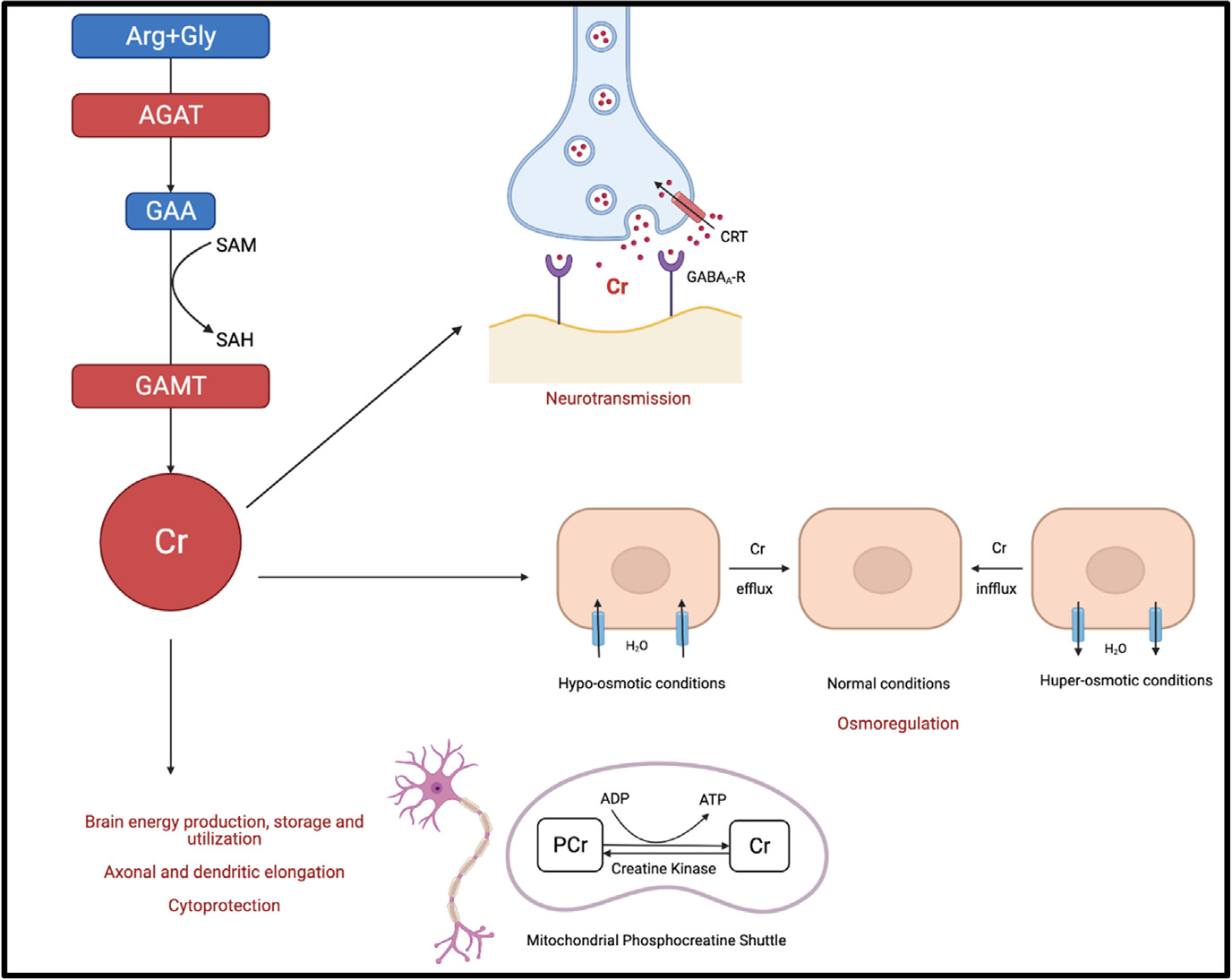
Geospatial map of creatine synthesis across the body
Figure 11: A geospatial map of creatine synthesis across the body[15]

Chapter 5: Creatine in the 21st Century

Rounding into the year 2000, creatine was soundly established as an effective ergogenic aid. But advances in scientific tools of inquiry, including MRI imaging, biochemical assays, and genetics revealed our understanding of creatine was far from complete.

Creatine/phosphocreatine systems were realized to be of critical importance in brain function, regulation of whole-body metabolism (outside of exercise), have a role in fat cell (adipose tissue), homeostasis, and more. What follow is a condensed, simplified, version of the past 25 years of research in these domains.

The Brain and Cognition

Perhaps the most exciting finding in the past 20 years has been the increasing awareness of creatine/phosphocreatine's role in brain metabolism and the promise shown in improving cognitive function. The brain, like skeletal muscle, is a high energy utilizer that often requires quick bursts of activity, should you be confronted with demanding or unexpected cognitive tasks (if you're like me, you waste a ton of ATP trying to figure out where you left your keys). Naturally, as understanding of creatine percolated into the consciousness of a larger scientific audience, the NERDS got ahold of this beautiful GYM BRO drug and attempted to repurpose it for their own (presumably nefarious) NERD[16] purposes.

One of the ways scientists/NERDS came to appreciate creatine's importance in the brain was through a familiar pathway in modern medicine: studying rare genetic disorders. As genetic testing became more precise, scientists identified defects in the enzymes required for endogenous creatine synthesis (AGAT and GAMT)[17], as well as in the transporter responsible for shuttling creatine into cells (CRT). Individual mutations in these enzymes experience profound cognitive impairment, often with features resembling autism. These observations demonstrate unequivocally that insufficient brain creatine leads to reduced neurological function.

Diagram showing effects of creatine synthesis defects on cognitive function
Figure 12: Creatine synthesis or transport defects have profound negative effects on cognitive function[18].

So should you start taking creatine to stave off dementia and increase your attention span? Well evidence on this is mixed. The most convincing positive studies have evaluated subjects taking creatine and noted less of a drop in their blood oxygen to their brain during demanding cognitive tasks.

Functional MRI images showing brain oxygenation in creatine supplemented subjects
Figure 13: Functional MRI images showing decreased brain oxygenation in creatine-supplemented subjects during attention tasks. Despite lower oxygen consumption at week 2, creatine users demonstrated improved performance on attention tasks, suggesting enhanced neural efficiency[19].

Since oxygen use correlates with aerobic respiration, and creatine/phosphocreatine are oxygen-independent energy sources, this suggested that the creatine-supplemented neurons were working more efficiently. Unfortunately, studies have not reliably born out improved performance consistently, and they are very hard to conduct since it cumbersome to measure brain metabolism accurately. What does PrimaryMD make of all of this you ask?

The signal through the noise that is worth noting here is that creatine supplementation during sleep deprivation, or other brain stressors like concussion, consistently and positively impact brain function. Meaning, creatine supplementation for brain health probably matters most at extremes. And for the chronically sleep deprived (i.e. shift workers, etc), high dose of creatine post-overnight shift might be a welcome boost to kickstart the old noggin.

Key Creatine–Cognition Studies

Major studies evaluating the effects of creatine supplementation on cognitive performance

YearStudyDesign / SampleCognitive DomainsKey Findings
2003Rae et al.[20]RCT, vegetarians, ~45 participantsWorking memory, reasoning6 weeks of 5 g/day creatine improved working memory and reasoning.
2007McMorris et al.[21]RCT, sleep-deprived military personnelAttention, reaction timeCreatine reduced cognitive decline under sleep deprivation.
2018Avgerinos et al.[22]Meta-analysis of RCTsGlobal cognition, memorySuggested benefits in short-term memory and fluid intelligence.
2022Prokopidis et al.[23]Meta-analysis (healthy & older adults)MemorySmall but significant memory benefits, especially in older adults.
2023Moriarty et al.[24]Dose–response RCT, 6 weeksMultiple tasks + fNIRSNo significant effects on cognition, even at 20 g/day.
2023Sandkühler et al.[25]Crossover RCT, ~123 participantsReasoning, working memorySmall benefit on Backward Digit Span; no effect on Raven's.
2023BMC Medicine trial[26]Largest RCT, ~123 adults, 6-week cross-overRaven's matrices, Backward Digit SpanVegetarians showed small benefits on working memory.
2024Gordji-Nejad et al.[27]Acute crossover, high-dose, sleep deprivationProcessing speed, attentionImproved processing speed and restored brain phosphate metabolism.
2024Xu et al.[28]Meta-analysis, 16 RCTs, n = 492Memory, processing speed, attentionSignificant effects on memory, processing speed, attention.
2003 - Rae et al.
Design:RCT, vegetarians, ~45 participants
Findings:6 weeks of 5 g/day improved working memory and reasoning.
2007 - McMorris et al.
Design:RCT, sleep-deprived military personnel
Findings:Creatine reduced cognitive decline under sleep deprivation.
2018 - Avgerinos et al.
Design:Meta-analysis of RCTs
Findings:Suggested benefits in short-term memory and fluid intelligence.
2022 - Prokopidis et al.
Design:Meta-analysis (healthy & older adults)
Findings:Small but significant memory benefits in older adults.
2024 - Gordji-Nejad et al.
Design:Acute crossover, high-dose, sleep deprivation
Findings:Improved processing speed and brain phosphate metabolism.

Fat metabolism/insulin resistance

Ironically, given the priority historical creatine users have put on muscle acquisition and fat loss, fat cells also have the capacity to utilize creatine, and in some profound ways.

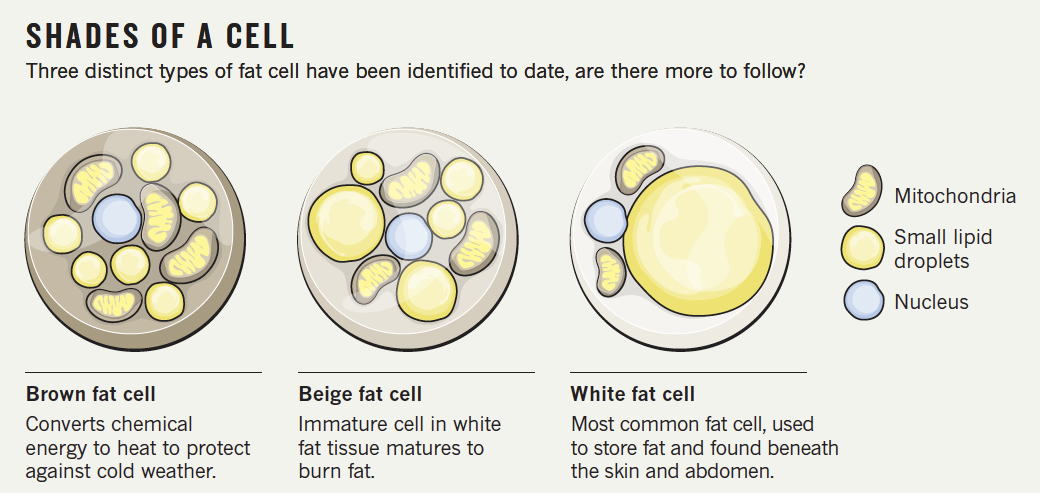
It's a bit beyond the context of this article, but not all fat cells are equal. In an extremely simplified way, the kind of unwanted fat we typically think of is white fat. These fat cells are relatively metabolically inert and serve as stores of excess calories. Brown fat, on the other hand, is incredibly important, highly energetic, and metabolically very active. Beige fat is agnostic to its metabolic functions and can either turn into white fat (bad) or brown fat (good). For many of us overnourished 21st century citizens, we have way too much metabolically inert white fat. Brown fat, much more present in children, but still present in adults, provides cold resistance (not much needed in modern climate-controlled environments) as well as significant metabolic activity.

Diagram showing different types of fat cells
Figure 14: Different types of fat[29]

When confronted with cold, the body can shiver to generate heat. But it can also activate a pathway where it sacrifices ATP production by stealing highly active ingredients (protons) from cellular respiration and generating chemical heat in brown fat cells. This is driven by a special type of cell transported called uncoupling protein 1 (UCP1). What does that mean for you? Well increasing the metabolic use of brown cells allows you to have a high "basal metabolic rate", increasing the amount of calories (glucose) your body utilizes even at rest and helping to prevent packing those calories away into much less metabolically active white fat. This also helps prevent the development of insulin resistance!

How does creatine come into the equation? Well one downside of UCP1-heat production is that it generates a significant amount of "reactive" oxygen species that can impair mitochondrial function and deplete our bodies stores of important antioxidants like NADPH. It turns out creatine can serve a similar role as UCP-1 and generate heat through a process called "futile creatine cycling". Instead of donating it's ATP to help an energetic process, creatine shuttles back and forth "futilely" between creatine to phosphocreatine, and then back to creatine. This reaction generates heat. It also does so without generating the metabolically expensive "free radicals" that UCP1 does. Furthermore, UCP-1, like brown fat itself, decreases as we age. At least in mice, creatine supplementation itself can convince agnostic beige fat to transform into brown fat (good!).[30]

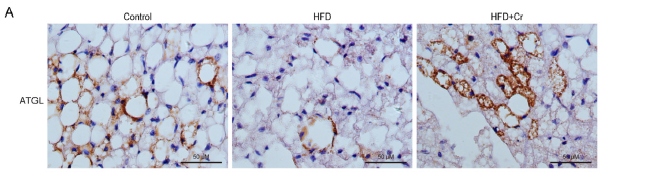
Beyond influencing fat cells directly, creatine also seems to play a role in the balance between storing fat and burning or utilizing fat, with supplementation favoring the utilization or burning of fat for energy, as opposed to storage. In mice, when given either a high fact diet with our without creatine, the mice in the creatine group had significantly more metabolic activity of the enzymes that break down fats, better glucose tolerance, and less insulin resistance.

While all mice data needs to be properly contextualized and doesn't always translate to humans, the robustness of these findings prove at least a plausible endocrine benefit of creatine supplementation.

Liver fat cells comparison in three groups
Figure 15: Liver fat cells in three groups. From left to right: control (low calorie diet), high fat diet (HFD), and high fat diet with creatine supplementation (HFD + Cr). The brown color update shows enzymes active in breaking down fats. While nearly absent in the high fat group, these enzymes are quite active in the caloric restricted control and the creatine augmented group.[31]

Hydration and Cellular Resilience

Our understanding of creatine's effect on hydration and an antioxidant have also progressed significantly in the past 25 years.

Concerns about creatine and kidney health surfaced in the mid-1990s after a widely publicized case of a 25-year-old man with pre-existing renal disease experienced worsening function that improved once he stopped supplementation. This single report fueled rumors that creatine compromised kidney function. Soon after, the media also popularized theoretical risks such as dehydration and muscle cramps, claims that lacked meaningful supporting evidence.

On first blush, it is certainly plausible that creatine supplementation increases creatinine (the marker of kidney function). But since the mid 1800s, we've also known that this was to be expected. And while creatine may subtly raise the creatinine level on a lab test, there has not been any evidence showing in impairs kidney function. Furthermore, creatinine would be expected to rise on creatine when the user is actively weight training, not because kidney function is worsening, but because overall muscle mass is increasing.

With respect to dehydration, it's unequivocal that creatine increases water inside cells; in fact, water weight in the loading phase of creatine is commonly encountered. The question was raised, did the water in the blood and non-cellular compartments (extracellular water), go down with creatine supplementation?

With high fidelity, the answer to this seems to be no, and in fact, perhaps the opposite. Numerous studies have found that creatine supplementation can defray the impacts of dehydration, with improved performance demonstrated in athletes exercising in hot conditions, while also not causing cramping or additional distress in already dehydrated athletes who supplemented with creatine.[32]

In summary, creatine supplementation has not been shown to increase either renal function or risk of dehydration in athletes and may be protective of both preventing dehydration and maintaining peak performance while dehydrated.

Creatine is often described as an antioxidant, though not in the classic sense of directly scavenging free radicals in the picture below. Instead, it protects against oxidative stress indirectly. First, by buffering ATP levels, creatine prevents the breakdown of ADP and AMP, processes that can increase free radical production. More importantly, creatine and creatine kinase optimize mitochondrial function. The various creatine kinase isoforms are tailored to the needs of the tissues they serve, whether in skeletal muscle or brown fat, and even influence mitochondrial structure itself. In effect, creatine and creatine kinase work together to stabilize energy balance, prevent excess ADP accumulation, and support efficient mitochondrial performance (and thus bench press performance). This matters because when mitochondria become dysfunctional, they can trigger apoptosis—the programmed death of the cell.

Chapter 6: Creatine Supplementation

I think, and I think Pedro would agree, that we have more than established creatine's bonafides as a supplement. So let's turn ourselves to more practical matters. How should you do so? And how much creatine are we talking here?

Baseline Daily Creatine Turnover

An averaged sized adult male (70kg, or about 180 lbs), has about 120 grams of total body stores of creatine, with a turnover rate of creatine of about 2 g/day. Our bodies can synthesize about 50% (1 g/day) of this; the rest we need to either eat (high sources include meat and fish), or supplement. The most common form of supplement creatine you're likely to encounter is creatine monohydrate. As we learned way back from Michel Chevreul, creatine is water soluble, yet is charged, so requires active transport into cells. Driving up our blood (or serum) concentrations, generates a gradient to drive it into our cells.

Protocols for creatine supplementation

Protocols for creatine basically extrapolated from the 1990s studies previously reviewed; they typically utilize a loading phase (split into multiple 4 doses/day) and then a maintenance phase (once daily). If you're not into math, a good rule of thumb is 20 grams/day for 1 week followed by a maintenance dose of 5 g/day from studies. We like math, so recommend utilizing international consensus guidelines for weight-based dosing.

  • Loading phase: 0.3 grams/kg/day (divided across 4 doses) for one week
    • For a 70 kg man, this would equate to 5g, four times a day
  • Maintenance phase: 0.1 grams/kg/day
    • For at 70 kg man, this would be about 7g/day

If you're interested in the most heavily sited studies examining creatine's impact on exercise performance, indexed by protocol dose, I've got you.

Key Creatine Loading Protocol Studies

Landmark studies on creatine loading protocols and their main findings.

StudyProtocolFindings
Harris et al. (1992)[33]20–30 g/day (4 doses) for several daysSignificant increase in total creatine content of quadriceps femoris muscle.
Hultman et al. (1996)[34]20 g/day × 6 days, then ~2 g/day maintenanceRapid increase in muscle creatine; maintained on low-dose.
Stout et al. (2000)[35]20 g/dayRaised neuromuscular fatigue thresholds.
Ziegenfuss et al. (2002)[36]15.75 g/day (3 doses)Improved sprint performance, increased muscle volume.
Law et al. (2009)5-day loading (4 × 5 g/day) + resistance trainingImproved anaerobic power in trained athletes.
Harris et al. (1992)
Protocol:20–30 g/day (4 doses) for several days
Findings:Significant increase in quadriceps creatine content.
Hultman et al. (1996)
Protocol:20 g/day × 6 days, then ~2 g/day
Findings:Rapid increase; maintained on low-dose.
Stout et al. (2000)
Protocol:20 g/day
Findings:Raised neuromuscular fatigue thresholds.

You may be wondering, what's the effect of supplementation where it matters (i.e. the concentration of creatine and phosphocreatine within the cell)? Studies have found that protocols like above yield an increase in total body creatine of 20%, and phosphocreatine of 17%.[37] There have also been studies suggesting that co-ingestion of creatine with carbohydrates[38] and/or proteins[39], my increase the uptake of creatine into cells via the CLT1 transporter (which may be insulin dependent).

It's been important to note that brain-related creatine levels are harder to increase. This is because our central nervous system (in which our brain and spine make up), there are more metabolic guards standing in the way to prevent creatine from diffusing across. It is also likely the case that our brains are more efficient as synthesizing creatine (neurons have all the precursor enzymes necessary to make creatine their own!). To surmount this, researchers have proposed longer-loading phases, up to 28 days. But as above, current evidence suggests creatine is a cognitive aid primarily to a "stressed brain". Integrating this into a recommendation, during periods of high stress, sleep deprivation, and/or concussion, increasing creatine dosing to 0.3 mg/kg for period of time makes sense physiologically and based on current evidence, but we do not find evidence that sustained doses at this level will impact cognitive performance.

Type of creatine to use

This part is easy. Creatine monohydrate is by far the most studied form and consistently outperforms other formulations. Alternatives like creatine hydrochloride or micronized creatine monohydrate are mostly marketing tactics, offering little to no proven clinical advantage often at a higher price. What does matter is sourcing: some lower-quality preparations, particularly from certain manufacturing sites in China, have been found to contain contaminants such as cyanide, heavy metals, or excess creatinine.[40]

Side Effects and Long-term Use

There have been several long term (usually on the order of 1-2 year) studies looking at impacts of creatine supplementation, the longest of which is 5 years. In none of these studies were signs of kidney, liver, or muscle injury appreciated[41]. But, functionally given creatine's near 30 years of prevalent use, there has been no uptick in previously healthy people going into renal failure or other complications, with itself is strong evidence of its incredible safety profile.

Chapter 7: In Summary

Creatine has long been stereotyped as the supplement of gym bros and locker rooms, but its story is richer and far more foundational. From its 19th-century discovery in boiled meat to its 21st-century recognition as a brain, fat, and mitochondrial nutrient, creatine has proven to be one of the most versatile molecules in human physiology. It powers short-burst exercise, buffers cellular energy crises, stabilizes mitochondria, and may even promote healthier fat metabolism. Safety concerns about dehydration and kidney injury have not borne out, and decades of research show creatine to be one of the safest, most effective, and most underappreciated supplements available.

Which brings us back to our Pedro; he doesn't change the script; he makes it unforgettable. In the same way, creatine doesn't rewrite biology; it elevates what's already there, giving us just enough extra energy, clarity, or endurance to tip the scales from good to exceptional. So whether you're chasing a new PR, pulling an overnight shift, or just trying to keep your metabolic script tight, creatine is that subtle but decisive boost.

Main Take-Home Points on Creatine

Creatine = Energy Buffer
Rapid ATP regeneration via phosphocreatine
Muscle
Boosts reps, power, recovery; cornerstone ergogenic aid
Brain
Supports cognition under stress (sleep loss, concussion, demand)
Metabolism
Influences fat cell dynamics, insulin sensitivity, thermogenesis
Mitochondria
Stabilizes function, reduces oxidative stress, buffers apoptosis
Hydration & Kidneys
Myths disproven; may be protective
Supplementation
Monohydrate is best studied; loading + maintenance effective
Safety
Decades of use show excellent profile

References

[2] Phosphate: a phosphorus atom, bound to four oxygen atoms, with a negative ionic charge.
[7] Mesa JLM, et al. Oral creatine supplementation and skeletal muscle metabolism. Sports Med. 2002;32(14):903-944.
[8] Boiling meat has historically been and remains a particularly French pastime.
[9] Chevruel lived to 102 years old and is known as the godfather of organic chemistry.
[13] Kamel MA, et al. Creatine monohydrate for mitochondrial nutrition. Molecular Nutrition and Mitochondria. Elsevier; 2023:383-415.
[14] Volek JS, et al. Creatine supplementation enhances muscular performance. J Am Diet Assoc. 1997;97(7):765-770.
[15] Kashani K, et al. Creatinine: From physiology to clinical application. Eur J Intern Med. 2020;72:9-14.
[17] Kamel MA, et al. Creatine monohydrate for mitochondrial nutrition. Molecular Nutrition and Mitochondria. Academic Press; 2023:383-415.
[18] Kamel MA, et al. Creatine monohydrate for mitochondrial nutrition. Molecular Nutrition and Mitochondria. Academic Press; 2023:383-415.
[19] Hammett ST, et al. Dietary supplementation of creatine monohydrate reduces the human fMRI BOLD signal. Neurosci Lett. 2010;479(3):201-205.
[20] Rae C, et al. Oral creatine monohydrate supplementation improves brain performance. Proc R Soc Lond B. 2003;270(1529):2147-2150.
[21] McMorris T, et al. Creatine supplementation and cognitive performance. Neuropsychol Dev Cogn B Aging. 2007;14(5):517-528.
[22] Avgerinos KI, et al. Effects of creatine supplementation on cognitive function. Exp Gerontol. 2018;108:166-173.
[23] Prokopidis K, et al. Effect of creatine supplementation on cognitive function. Nutr Rev. 2022;80(8):1803-1817.
[24] Moriarty KJ, et al. Chronic creatine supplementation does not improve cognitive performance. Brain Sci. 2023;13(9):1276.
[25] Sandkühler J, et al. Effects of creatine supplementation on cognitive performance. Psychopharmacology. 2023;240(6):1781-1792.
[26] Rae C, et al. Creatine supplementation and cognition: a large cross-over RCT. BMC Med. 2023;21:262.
[27] Gordji-Nejad A, et al. Creatine supplementation improves cognitive performance during sleep deprivation. Sci Rep. 2024;14:450.
[28] Xu Z, et al. Effect of creatine supplementation on cognition: meta-analysis. Front Nutr. 2024;11:1424972.
[29] Owens B. Cell physiology: The changing colour of fat. Nature. 2014;508:S52–S53.
[30] Su Y. Three-dimensional network of creatine metabolism. Mol Metab. 2025;100:102228.
[31] Chen Y, et al. Creatine ameliorates high-fat diet-induced obesity. Biochimie. 2023;206:39-51.
[32] Dalbo VJ, et al. Putting to rest the myth of creatine supplementation leading to muscle cramps. Br J Sports Med. 2008;42(7):567-573.
[33] Harris RC, et al. Elevation of creatine in resting and exercised muscle. Clin Sci. 1992;83(3):367-374.
[34] Hultman E, et al. Muscle creatine loading in men. J Appl Physiol. 1996;81(1):232-237.
[35] Stout JR, et al. Effects of creatine loading on neuromuscular fatigue threshold. J Appl Physiol. 2000;88(1):109-112.
[36] Ziegenfuss TN, et al. Effect of creatine loading on anaerobic performance. Nutrition. 2002;18(5):397-402.
[37] Kreider RB, et al. Effects of serum creatine supplementation on muscle creatine levels. J Exerc Physiol Online. 2003;6:24–33.
[38] Green AL, et al. Carbohydrate ingestion augments skeletal muscle creatine accumulation. Am J Physiol. 1996;271(5):E821-E826.
[39] Steenge GR, et al. Protein- and carbohydrate-induced augmentation of whole body creatine retention. J Appl Physiol. 2000;89(3):1165-1171.
[40] Antonio J, et al. Common questions and misconceptions about creatine supplementation. J Int Soc Sports Nutr. 2021;18(1):13.
[41] Poortmans JR, Francaux M. Adverse effects of creatine supplementation: fact or fiction? Sports Med. 2000;30(3):155-170.