
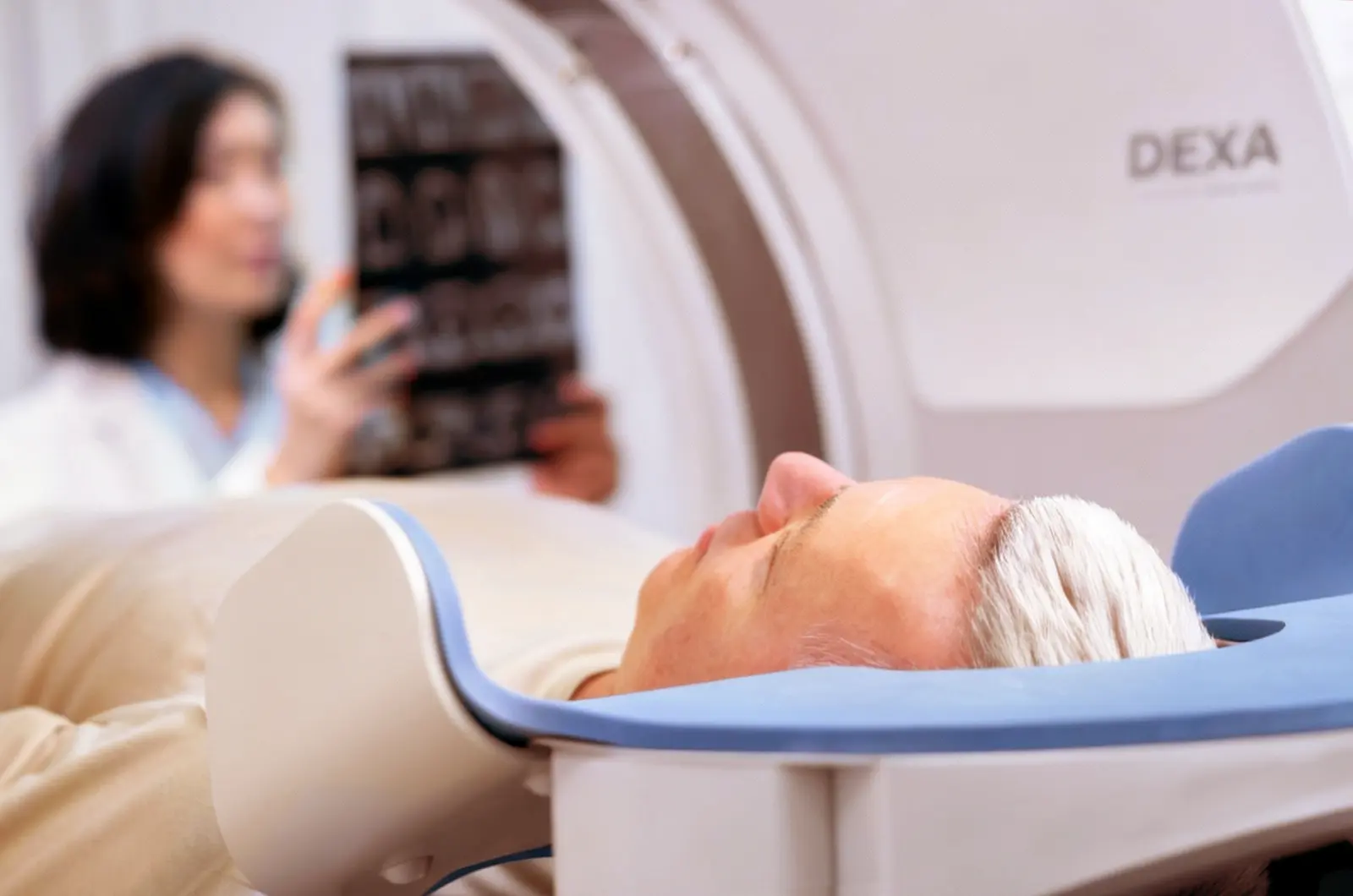
You track your investments down to the basis point. You monitor your company's KPIs in real time. But when it comes to your body composition, you're guessing.
A DEXA scan changes that. It's the clinical gold standard for measuring bone mineral density, body fat distribution, and lean muscle mass with precision that bathroom scales and wearable devices simply cannot match.
Physicians rely on DEXA to assess osteoporosis risk, track metabolic health markers, and establish accurate baselines for patients serious about longevity.
How much does a DEXA scan cost? Expect to pay between $150 and $400 depending on the scan type, facility, and insurance coverage. Body composition scans at wellness centers typically run $40 to $200. Hospital-based bone density scans range from $150 to $400 before insurance.
Let’s break down 2026 pricing by facility type, explains insurance eligibility, and shows you how to get maximum value from this diagnostic investment.
Key Takeaways
- DEXA scan costs range from $150 to $400 in 2026, with wellness centers charging less than hospital imaging departments.
- Insurance typically covers bone density scans ordered for osteoporosis screening but classifies body composition scans as elective.
- HSA and FSA funds can reduce your out-of-pocket cost by 25% to 35% regardless of scan purpose.
- DEXA provides measurement precision within 1%, compared to 5% to 10% variability with bioelectrical impedance scales.
- At PrimaryMD, DEXA scans are included in your membership as part of a comprehensive diagnostic panel that informs your personalized care plan. Join our waitlist
Does Insurance Cover DEXA Scans?
Insurance coverage depends entirely on why you're getting the scan.
Bone density scans ordered to diagnose or monitor osteoporosis are typically covered by most private insurance plans and Medicare. These qualify as medical diagnostic tests when your physician documents clinical necessity.
Body composition scans performed for fitness or wellness tracking are classified as elective. Insurance will not cover them, so they remain out-of-pocket expenses.
Medicare Coverage
Medicare Part B covers bone density testing once every 24 months for beneficiaries at risk of osteoporosis. If you have documented bone loss or take medications affecting bone health, you may qualify for more frequent assessments.
When coverage applies and deductibles are met, you often pay nothing at Medicare-certified facilities.
Private Insurance
Private insurers follow similar protocols. Coverage requires a physician's order documenting medical necessity, such as a history of fractures, long-term corticosteroid use, or conditions affecting calcium absorption. Your out-of-pocket responsibility depends on deductible status, copay structure, and network participation.
Using HSA or FSA Funds
DEXA scans qualify as eligible expenses under Health Savings Accounts and Flexible Spending Accounts regardless of scan purpose.
Using pre-tax dollars effectively reduces your cost by 25% to 35% based on your marginal tax rate. This option makes routine body composition monitoring more accessible if you're investing in long-term health optimization.
2026 DEXA Scan Cost by Type
Body composition scans ordered through wellness centers or fitness-focused providers fall on the lower end of the spectrum. These facilities specialize in straightforward pricing because they do not process insurance claims.
Hospital-based bone density scans command higher prices due to facility fees, radiologist interpretation charges, and administrative overhead. However, these scans are more likely to qualify for insurance reimbursement when ordered for osteoporosis screening or fracture risk assessment.
What Factors Affect DEXA Scan Prices?
Several variables determine your final cost. Understanding these helps you find the best value without sacrificing accuracy.
Facility Type
Where you get scanned makes a substantial difference.
Hospital imaging departments charge more because they factor in overhead costs including staffing, equipment maintenance, and compliance requirements. Independent imaging centers and wellness clinics operate with leaner budgets and pass those savings to you.
Mobile scan providers offer another option. These services bring the DEXA machine to gyms, corporate offices, or community events. Per-scan costs through mobile providers often range from $65 to $150, making them accessible for routine body composition tracking.
Geographic Location
Urban areas with higher costs of living tend to have higher scan prices. A DEXA scan in San Francisco, New York City, or Boston may run $50 to $100 more than the same scan in a smaller metropolitan area. Real estate costs, labor rates, and local competition all influence regional pricing.
That said, major cities also have more options. Competition among providers can drive prices down if you compare multiple facilities before booking.
Scan Purpose
The reason behind your scan affects both cost and insurance eligibility.
A body composition scan for fitness tracking is considered elective and will almost always be an out-of-pocket expense. A bone density scan ordered to screen for osteoporosis qualifies as a medical diagnostic test and may be eligible for partial or full coverage.
If you fall into a high-risk category for bone loss, your physician can order a scan that insurance will likely cover. Risk factors include being over age 65 (women) or 70 (men), having a history of fractures, long-term steroid use, certain thyroid conditions, and significant weight loss.
Additional Services
Some facilities bundle additional services into their scan packages. These may include body composition reports with percentile rankings, consultations with nutritionists or trainers, visceral fat analysis, and metabolic rate testing. Bundled packages often deliver better value if you plan to use the extra services.
Watch for facilities that unbundle charges. Separate fees for the scan, interpretation, report delivery, and follow-up consultations can add $50 to $150 to your total cost.
How Does DEXA Compare to Other Body Composition Methods?
DEXA is not the only option for measuring body fat and lean mass. But it consistently outperforms alternatives in accuracy and detail.
Bioelectrical impedance devices like InBody scales offer convenience but sacrifice precision. Results fluctuate based on hydration status, recent meals, and time of day. For someone investing in a structured fitness or nutrition program, these inconsistencies make it difficult to measure true progress.
DEXA stands apart because it provides regional data. You learn not just your total body fat percentage but how fat and muscle distribute across your arms, legs, trunk, and visceral region. This granularity helps identify asymmetries, track where you gain or lose muscle, and monitor metabolically dangerous visceral fat deposits.
Hidden Fees to Watch For
Some facilities advertise low scan prices but add charges that increase your final bill. Ask about these potential extras before booking.
- Radiologist interpretation fees: Hospital-based scans often bill separately for a radiologist to review and sign off on results. This can add $50 to $100 to your total.
- Report delivery charges: Some providers charge extra for emailing or printing your detailed results. Confirm that a comprehensive report is included in the quoted price.
- Consultation fees: Follow-up appointments to discuss results may incur additional charges. Private wellness centers sometimes bundle a brief consultation into the scan cost, while medical facilities bill it as a separate office visit.
- Cancellation penalties: Missed appointments or last-minute cancellations may incur fees ranging from $25 to the full scan price. Review the cancellation policy when you schedule.
How to Save Money on Your DEXA Scan
Strategic planning can significantly reduce your per-scan cost, especially if you intend to track changes over time.
- Choose wellness centers over hospitals. Independent providers and fitness-focused clinics offer body composition scans at a fraction of hospital prices. You may pay $50 to $100 versus $200 or more for equivalent technology and accuracy.
- Purchase multi-scan packages. If you plan to scan every three to six months, package deals can cut your per-scan cost by 20% to 40%. Many providers offer discounted rates when you commit to multiple sessions upfront.
- Use HSA or FSA funds. Paying with pre-tax dollars delivers automatic savings equal to your marginal tax rate.
- Look for corporate wellness programs. Some employers include DEXA scans as part of executive health benefits or wellness incentives. Ask your HR department whether this option exists.
- Book off-peak appointments. Weekday mornings or early afternoon slots may carry lower rates at facilities trying to fill their schedules.
How Often Should You Get a DEXA Scan?
The optimal frequency depends on your goals and what you're measuring.
For fitness and body composition tracking, scanning every three to six months provides enough time to observe meaningful changes without over-monitoring. Significant muscle gain or fat loss takes time, and more frequent scans may reveal noise rather than a clear signal.
For bone density screening, medical guidelines recommend scans every two years for most individuals at risk of osteoporosis. Individuals undergoing treatment for bone loss may require annual scans to evaluate medication effectiveness.
At PrimaryMD, DEXA scans are incorporated into the comprehensive diagnostic panel that forms the foundation of each member's personalized care plan. Your dedicated physician and wellness expert interpret scan results alongside your 93-marker blood panel, VO₂ max testing, and wearable data.
The result: actionable interventions rather than static numbers on a page.
Why a DEXA Scan Is Worth the Investment
The value of a DEXA scan extends beyond the numbers on the report. This diagnostic tool provides actionable intelligence that informs clinical decisions, training protocols, and nutritional strategies with precision that justifies the investment.
Here’s why the scan is worth it:
Measurement Precision Within 1%
DEXA remains the reference standard against which all other methods are validated. For patients tracking changes over months or years, this consistency eliminates the noise that plagues less reliable methods. You measure real progress rather than hydration fluctuations or device variability.
Regional Data Drives Targeted Interventions
Unlike single-number body fat estimates, DEXA maps fat and lean mass distribution across specific body regions. This granularity reveals visceral fat accumulation, identifies muscle imbalances between limbs, and tracks where composition changes occur.
Your physician can use this data to customize exercise prescriptions and flag metabolic risk factors that surface-level assessments miss.
Early Detection Prevents Costly Outcomes
A single hip fracture carries average medical costs exceeding $30,000 and significantly impacts quality of life. The modest cost of periodic DEXA screening represents a fraction of the expense and suffering associated with preventable skeletal injuries.
Context Makes Data Meaningful
A standalone DEXA result tells you where you are. Combined with blood panels, metabolic testing, and ongoing health coaching, your results become part of a comprehensive health profile. This integration transforms raw numbers into personalized recommendations that evolve with your health trajectory.
Make Your DEXA Data Part of a Bigger Picture
A DEXA scan gives you powerful information about your body. The real value emerges when that data informs a coordinated plan built around your specific goals, which is what concierge medicine offers.
At PrimaryMD, DEXA scans are part of a comprehensive diagnostic approach that includes advanced blood panels with 93+ biomarkers, VO₂ max testing for cardiovascular fitness, and continuous wearable integration.
Your dedicated physician and wellness expert interpret these results together during your 2-hour intake session and build a personalized care plan that evolves as you do.
You receive quarterly wellness reviews, monthly check-ins with your health coach, and same-day access when concerns arise. Your care team tracks your progress over time and adjusts your plan based on real data, not guesswork.
If you're ready to move beyond reactive healthcare and start investing in proactive health optimization, join the PrimaryMD waitlist to learn how membership-based concierge medicine can help you reach your goals.
Frequently Asked Questions
How Much Does a DEXA Scan Cost?
Expect to pay between $150 and $400 depending on the scan type, facility, and whether insurance applies. Body composition scans at private wellness centers cost $40 to $150 on average. Hospital-based bone density scans range from $150 to $400 before insurance.
Can You Get a DEXA Scan Covered by Insurance?
Insurance typically covers bone density scans when medically indicated for osteoporosis screening or monitoring. Body composition scans for fitness purposes are considered elective and are not covered. Check with your insurer and ask your physician to document medical necessity if applicable.
How Much Does a DEXA Scan Cost at a Private Facility?
Private wellness centers and independent imaging facilities charge $150 to $300 for body composition scans. These providers do not process insurance claims, so you pay the quoted price directly. This route often costs less than hospital-based scans even without insurance coverage.
Is a DEXA Scan Worth the Cost?
For individuals serious about optimizing their health, DEXA delivers value that other methods cannot match. The precision and regional detail justify the investment when you use the data to inform training, nutrition, and medical decisions. A single accurate baseline is worth more than dozens of inconsistent readings from bathroom scales or wearable devices.