
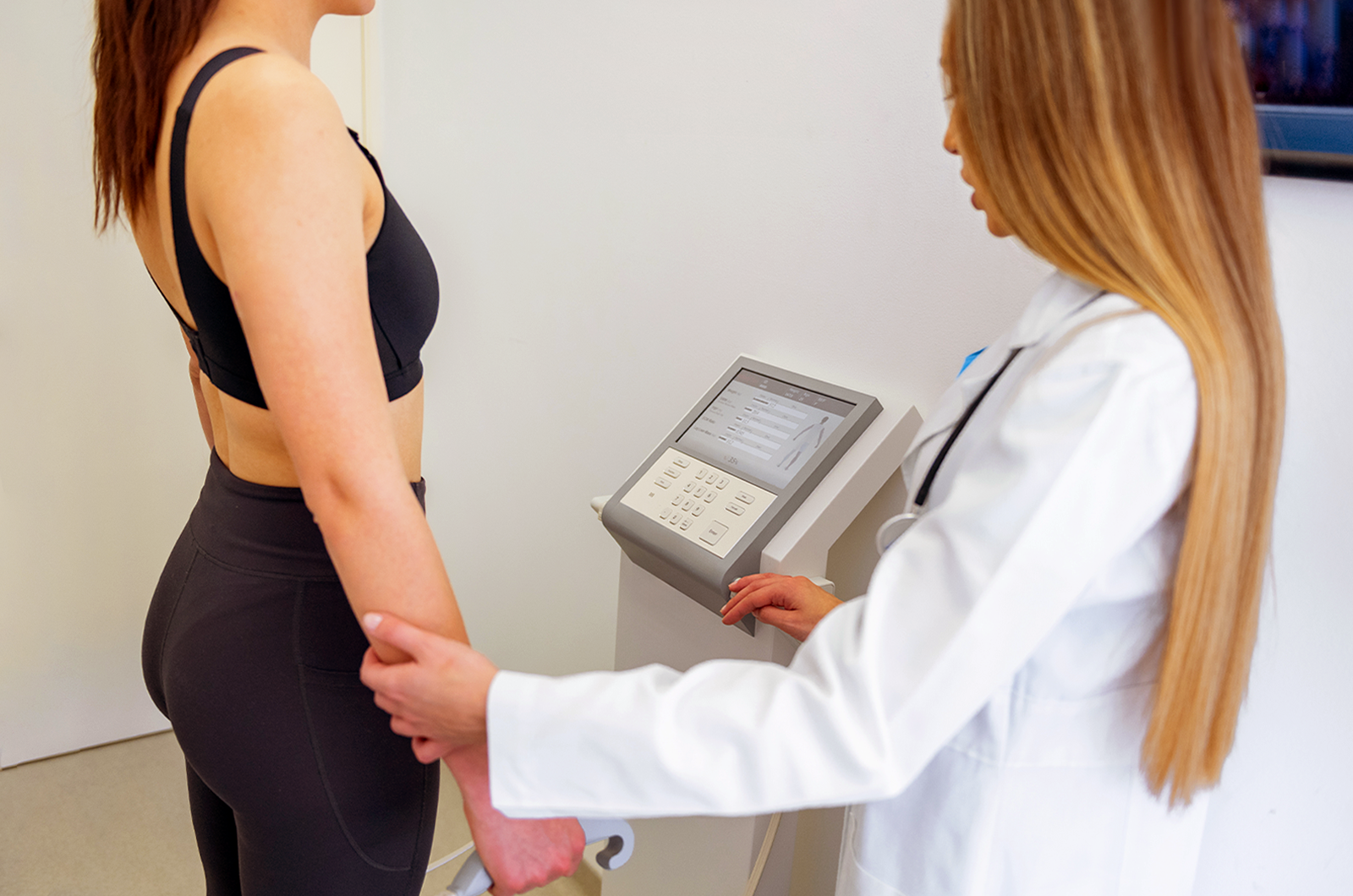
You track your sleep, your steps, your macros. But when it comes to knowing what your body is actually made of, are you getting the full picture?
Body composition testing has moved from research labs into gyms, wellness centers, apps, and longevity-focused medical practices.
Two methods dominate this space: DEXA scans and InBody analyzers.
Both claim to measure your fat, muscle, and (in DEXA's case) bone. But their accuracy differs dramatically, and that difference matters when you're making decisions about your training, nutrition, or long-term health strategy.
DEXA (Dual-Energy X-Ray Absorptiometry) is considered the gold standard, with accuracy within 1 to 2%.
InBody, which uses bioelectrical impedance analysis, carries a margin of error of 3 to 5% and is highly sensitive to hydration, meal timing, and recent exercise.
If you're serious about using data to optimize your health, you need to understand what each test actually measures, where each one falls short, and which approach fits your goals. This DEXA scan vs InBody comparison breaks it all down.
Key Takeaways
- DEXA scans are the clinical gold standard for body composition, measuring fat mass, lean mass, and bone mineral density with 1 to 2% accuracy.
- InBody uses bioelectrical impedance to estimate body composition, but accuracy drops to 3 to 5% and varies significantly based on hydration and testing conditions.
- DEXA is the only practical method for measuring visceral fat, a critical marker for cardiovascular and metabolic disease risk.
- InBody works best as a convenient tracking tool between more precise DEXA assessments, provided you test under identical conditions each time.
- At PrimaryMD, DEXA scans are integrated into your comprehensive health assessment alongside VO₂ max testing, advanced blood panels, and personalized care planning.
What Is a DEXA Scan?
DEXA is a medical imaging technique originally developed to measure bone mineral density. Clinicians later recognized its exceptional ability to differentiate between fat tissue, lean mass, and bone, making it the gold standard for body composition analysis in clinical and research settings.
The technology works by emitting two low-dose X-ray beams at different energy levels while you lie on a scanning table.
Dense tissues like bone absorb more energy, while fat and muscle absorb less. Sophisticated software then interprets these absorption patterns to create a detailed three-compartment model of your body composition.
A typical DEXA scan takes 10 to 15 minutes and produces a comprehensive report that includes total body fat percentage, lean muscle mass, bone mineral density, regional fat distribution across different body segments, and visceral adipose tissue (VAT) measurements.
The radiation exposure is minimal: approximately 5 µSv per scan, roughly equivalent to the background radiation from a cross-country flight.
This is the kind of data PrimaryMD members get as standard. Interested? Join the waitlist.
Why DEXA Stands Out
DEXA earns its reputation as the gold standard for a few key reasons:
- Precision that matters: DEXA scan accuracy falls within 1 to 2%, making it reliable enough for clinical decision-making and detecting subtle changes in body composition over time.
- Visceral fat measurement: DEXA is the only practical method outside of MRI for quantifying visceral adipose tissue, the deep abdominal fat that drives metabolic disease risk. Your physician can use this data to assess your cardiovascular and metabolic health with precision.
- Bone health data: Because DEXA was developed for osteoporosis screening, you get bone mineral density measurements as part of every scan. This dual capability makes DEXA particularly valuable if you're concerned about bone health or tracking the effects of strength training on your skeletal system.
- Consistency across conditions: Unlike impedance-based methods, DEXA results remain stable regardless of whether you had coffee this morning, worked out yesterday, or are slightly dehydrated. The direct tissue measurement approach minimizes the variables that can throw off other testing methods.
- Speed and convenience: A complete InBody scan takes under one minute. You can step on the device, grip the handles, and have results in the time it takes to check your email.
DEXA Limitations to Consider
DEXA requires specialized medical equipment available only at clinics and diagnostic centers. The scans cost more than bioelectrical impedance methods, and you'll need to lie still for 10 to 15 minutes during the procedure. The radiation exposure, while minimal, means DEXA isn't suitable for weekly testing.
What Is an InBody Scan?
InBody is a brand of body composition analyzer that uses bioelectrical impedance analysis (BIA) to estimate your body's fat, muscle, and water content. These devices are widely available in gyms, wellness centers, and some medical offices, making them one of the most accessible options for routine body composition tracking.
The InBody device sends a low-level electrical current through your body via electrodes on a platform and handheld grips. Different tissues conduct electricity at different rates: muscle and water-rich tissues conduct electricity well, while fat tissue is more resistant. The device measures this resistance (impedance) to estimate your body composition.
Modern InBody machines use multi-frequency technology to improve accuracy. They measure impedance at multiple frequencies and across different body segments (arms, legs, trunk) to create a more detailed picture. The entire process takes less than 60 seconds, requires no special preparation, and involves zero radiation.
Where InBody Excels
- Speed and convenience: A complete InBody scan takes under one minute. You can step on the device, grip the handles, and have results in the time it takes to check your email.
- Accessibility: InBody devices are common at gyms, wellness centers, and fitness studios. Many facilities offer scans as part of membership benefits.
- Lower cost: Individual InBody scans typically range from $10 to $40, making frequent testing financially practical.
- Segmental analysis: InBody provides muscle balance data across different body segments, which can help identify asymmetries that might increase injury risk.
InBody Limitations You Should Know
- Accuracy concerns: InBody carries a margin of error of 3 to 5%, which can translate to significant differences in reported body fat percentage. Research has shown that BIA devices can substantially over- or underestimate body fat compared to DEXA, particularly in athletes, older adults, and those with higher body fat percentages.
- Variable sensitivity: InBody results swing significantly based on hydration levels, meal timing, recent exercise, and even the time of day. Dehydration can cause the device to overestimate body fat, while overhydration leads to underestimation.
- No bone density data: InBody cannot measure bone mineral density, limiting its utility for comprehensive health assessment.
- No visceral fat measurement: InBody cannot directly measure visceral adipose tissue, the metabolically dangerous fat that DEXA captures.
How the Technology Actually Works
Both DEXA and InBody answer the same question: what is your body made of? But their approaches differ fundamentally, and understanding this distinction explains why accuracy varies so dramatically between the two methods.
DEXA: Direct Tissue Measurement
DEXA technology separates body tissues into three compartments: fat mass, lean mass (including muscle, organs, and fluids), and bone mineral content. The dual-energy X-ray beams penetrate tissue at different rates depending on density and composition.
When the X-rays pass through your body, detectors measure how much radiation reaches the other side. Fat tissue attenuates X-rays differently than muscle or bone, allowing the software to calculate the precise amount of each tissue type. The scan produces a pixel-by-pixel map of your body composition, which is then aggregated into regional and whole-body measurements.
This direct measurement approach means your DEXA results are minimally affected by external variables. The data reflects what your tissues actually are, not what an algorithm estimates them to be.
InBody: Indirect Estimation
InBody technology relies on the principle that lean tissue contains significantly more water than fat tissue. Water conducts electricity efficiently, while fat acts as an insulator. By measuring how electrical current flows through your body, InBody estimates your lean mass and fat mass.
The device sends currents at multiple frequencies because different frequencies penetrate tissues differently. Lower frequencies travel through extracellular water, while higher frequencies penetrate cells to measure intracellular water. By combining these measurements with proprietary algorithms, InBody estimates your body composition.
The limitation of this approach is that BIA measures water distribution, not tissue composition directly. The device then uses population-based equations to convert water measurements into estimates of fat and lean mass. These equations assume a standard level of tissue hydration, which varies considerably between individuals. If your hydration differs from the population average, your results will be skewed.
How Do DEXA and InBody Compare on Accuracy?
When comparing InBody scan vs DEXA, accuracy is the primary differentiator. While both can track changes over time, their precision differs substantially. This DEXA scan vs InBody accuracy gap matters most when you need reliable baseline measurements or are tracking subtle changes in body composition.
Research published in the Journal of Exercise & Nutrition has demonstrated that BIA devices can significantly over- or underestimate body fat compared to DEXA, particularly in individuals who deviate from average body types. Athletes with high muscle mass, older adults, and those with higher body fat percentages tend to see the largest discrepancies.
For routine progress tracking where relative changes matter more than absolute numbers, InBody can serve as a useful tool when testing conditions are standardized. However, for clinical decision-making, health risk assessment, or establishing accurate baselines, DEXA provides the precision that matters.
Why Hydration and Timing Affect Your Results
One of the most significant practical differences between DEXA and InBody is their sensitivity to preparation variables. How you prepare for each test can dramatically affect the reliability of your results.
Hydration Changes Everything for InBody
InBody results are highly sensitive to your hydration status. Dehydration causes the device to overestimate body fat because less water means higher electrical resistance.
Conversely, overhydration or water retention leads to underestimation of body fat.
DEXA measures tissue density directly, making it largely immune to fluctuations in hydration. While extreme dehydration affects lean mass readings slightly, the impact on total body fat percentage is negligible for practical purposes.
Meal Timing Matters for InBody
Eating before an InBody scan introduces variables that skew results. Food in your digestive tract adds mass, and the digestive process affects fluid distribution throughout your body.
For optimal InBody accuracy, testing should occur first thing in the morning, fasted, and before any fluid intake.
DEXA results remain stable regardless of meal timing. The X-ray absorption characteristics of food and digestive contents differ from those of body tissues, allowing the software to differentiate between them accurately.
Recent Exercise Throws Off InBody
Working out before an InBody scan can significantly alter results. Exercise redistributes fluid to working muscles, changes core temperature, and may cause temporary inflammation. These factors can shift InBody readings by several percentage points.
DEXA is less affected by recent exercise, though some researchers recommend waiting 24 hours after intense training for optimal consistency.
When Should You Choose DEXA?
DEXA is the preferred choice when precision and clinical utility are paramount. Certain situations call for the gold-standard accuracy that only DEXA can provide.
Metabolic Health Monitoring
Visceral fat, the deep abdominal fat surrounding your organs, is a key risk factor for cardiovascular disease, type 2 diabetes, and metabolic syndrome. DEXA is the only practical method for quantifying visceral adipose tissue outside of MRI.
If you're working with a physician to manage metabolic health risks, DEXA provides the data needed for informed clinical decisions. At PrimaryMD, DEXA scans are part of your comprehensive assessment, integrated with your 100-biomarker blood panel, VO₂ max testing, and personalized care plan.
Athletic Performance Optimization
Competitive athletes and serious fitness enthusiasts benefit from DEXA's ability to detect small changes in lean mass and regional fat distribution. When you're fine-tuning your training or nutrition to gain muscle while minimizing fat, DEXA's 1 to 2% accuracy prevents you from chasing phantom gains or losses.
Bone Health Assessment
DEXA remains the gold standard for assessing bone mineral density. For individuals at risk of osteoporosis or those tracking the effects of strength training on bone health, DEXA provides valuable longitudinal data. This dual capability makes DEXA particularly valuable for aging adults and postmenopausal women.
Medically Supervised Health Programs
When body composition data informs clinical decisions such as medication adjustments, health risk stratification, or disease prevention strategies, accuracy is non-negotiable. DEXA's precision makes it the appropriate choice for comprehensive health programs where data drives interventions.
When Does InBody Make Sense?
InBody serves a different purpose in the body composition landscape. It excels as a convenient, low-cost tracking tool when absolute accuracy is less critical than consistency.
Frequent Progress Check-Ins
If you want to monitor trends on a weekly or bi-weekly basis, InBody's speed and accessibility make it a practical choice. The key is to test under identical conditions each time: the same time of day, the same hydration status, the same pre-test routine. This consistency allows you to detect directional changes even if the absolute numbers carry some error.
Gym and Wellness Programs
Many fitness facilities include InBody scans as part of their membership benefits. For general fitness tracking and motivational purposes, InBody provides sufficient insight without the cost or inconvenience of scheduling medical appointments.
Budget-Conscious Monitoring
At $10 to $40 per scan, InBody is significantly more affordable than DEXA. If you're tracking progress during a training block and plan to validate results periodically with a DEXA scan, InBody can fill the gaps between more precise measurements.
Initial Awareness
For individuals new to body composition tracking, InBody provides a starting point for understanding how their body responds to diet and exercise. As goals become more specific or health stakes increase, transitioning to DEXA becomes more sensible.
The Smart Approach: Combine Both Methods
Many people serious about health optimization use DEXA and InBody together in a complementary fashion. This approach captures the best of both: DEXA's precision for establishing baselines and validating progress, with InBody's convenience for frequent check-ins.
Here's a practical framework:
- Start with DEXA to establish an accurate baseline. Know exactly where you're starting from before making training or nutrition changes.
- Use InBody every two to four weeks to track directional changes. Test under identical conditions each time: same time of day, fasted, before exercise.
- Schedule quarterly DEXA scans to validate InBody trends and recalibrate your expectations. This catches any drift in InBody accuracy and confirms your progress with precision data.
- Use DEXA whenever data will inform major decisions. If you're adjusting your care plan, starting a new training phase, or assessing health risks, get the accurate data.
This combined strategy gives you regular feedback while protecting against the misleading conclusions that can arise from InBody's variability. At PrimaryMD, we integrate DEXA scans with continuous wearable monitoring to give you both the precision of clinical testing and the real-time feedback of daily tracking.
What Your Results Actually Mean
Obtaining body composition data is only the first step. The real value lies in interpreting results within the context of your health goals and acting on the insights. Raw numbers from either DEXA or InBody require clinical context to become meaningful.
A body fat percentage that's "optimal" for one person may indicate a health risk for another. Regional fat distribution matters as much as total fat mass. Muscle imbalances between limbs can indicate increased injury risk. Bone density trends may signal the need for intervention before problems develop.
This is where working with a physician who understands both the technology and your individual health picture becomes valuable.
At PrimaryMD, body composition analysis is integrated into a comprehensive approach that includes advanced diagnostics, personalized care plans, and ongoing monitoring.
Your physician reviews your DEXA results alongside your blood panels, VO₂ max data, and wearable insights to create a complete picture of your health.
Sophisticated testing produces sophisticated data. Make sure you have the clinical support to translate that data into meaningful health improvements.
Build Your Health Strategy on Accurate Data
DEXA provides the gold-standard accuracy needed for clinical decisions and precise tracking. InBody offers convenient progress monitoring between more detailed assessments. The best approach depends on your specific goals, budget, and how you plan to use the data.
For metabolic health monitoring, athletic performance optimization, or medically supervised programs, DEXA's precision is worth the investment. For general fitness tracking, InBody can serve as a practical companion tool when used consistently.
Whatever method you choose, remember that measurements are only as valuable as the actions they inform. Partner with a healthcare team that can help you interpret your results and translate them into a personalized plan for improvement.
At PrimaryMD, DEXA scans are part of your comprehensive health assessment, alongside VO₂ max testing, advanced blood panels, and a dedicated care team that knows your full health story.
Your physician doesn't just hand you a report; they help you understand what it means and build a care plan designed around your goals.
Join the PrimaryMD waitlist to experience concierge medicine built around you, your data, and your long-term health.
Frequently Asked Questions
How Often Should I Get a DEXA Scan?
For most people focused on health optimization, quarterly DEXA scans provide the right balance of precision and practicality. This frequency allows enough time for meaningful body composition changes while catching trends before they become problems. If you're making significant changes to your training or nutrition, your physician may recommend more frequent testing.
Can I Replace DEXA with InBody if I Test Consistently?
InBody can track directional trends when testing conditions are standardized, but it cannot replace DEXA for establishing accurate baselines or making clinical decisions. The 3 to 5% margin of error means small changes may be noise rather than signal. Use InBody for frequent check-ins and validate with DEXA quarterly.
Does the Radiation from DEXA Scans Pose Any Health Risk?
DEXA radiation exposure is extremely low: approximately 5 µSv per scan. For comparison, a chest X-ray delivers about 100 µSv, and you absorb roughly 7 µSv during a cross-country flight. Quarterly DEXA scans pose negligible radiation risk for healthy adults.
What Should I Do Before a DEXA Scan?
Preparation for DEXA is minimal. Avoid calcium supplements for 24 hours before your scan, as they can affect bone density readings. Wear comfortable clothing without metal. You don't need to fast or worry about hydration levels.
What Should I Do Before an InBody Scan?
For the most reliable InBody results, test first thing in the morning after using the bathroom, before eating or drinking anything, and before exercising. Wait at least 24 hours after intense workouts. Test at the same time of day and under the same conditions each time you scan.
Does Insurance Cover DEXA Scans?
Insurance typically covers DEXA scans when ordered for bone density screening (osteoporosis risk assessment). Coverage for body composition analysis varies by plan. At PrimaryMD, DEXA scans are included as part of your membership, so you don't need to navigate insurance approvals for routine body composition tracking.