
Electrolytes seem to be the current marketed “health and fitness” item to ingest. From weekend warriors to sedentary individuals, I see clients and patients reporting regular electrolyte consumption. But, if I ask those same patients what an electrolyte is, their answers tend to be less than specific.
So, let’s start there. What are electrolytes? They are specific minerals that dissolve in water, which then carry an electric charge, ions. And we have them circulating all over our bodies for cellular function and muscle contraction. For example, our cardiac muscle relies on a sodium potassium exchange that allows for automatic contraction and relaxation of the cardiac tissue. Sodium influx stimulates a calcium intake into the cardiac cells for strong contraction between protein fibers in the muscle, then potassium flows out to enable relaxation of the muscle contraction.
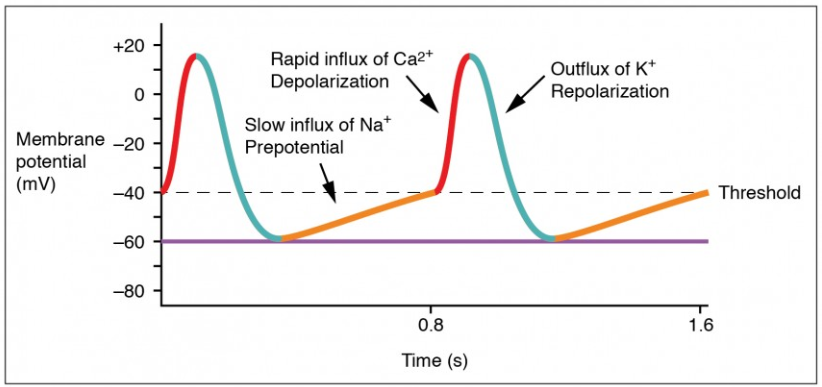
Magnesium also plays a role in enabling calcium to move back out of the cell, allowing for further relaxation between contractions.
Our skeletal muscles have a very similar pattern, however it is not an automatic fluctuation, but rather it is stimulated by neural impulses to the muscle fibers to generate the electrolyte movements described above.
When one of these electrolytes is out of balance, it can cause muscle spasm or cramping.
Food for thought: eating a banana is not the best fix for a muscle cramp! Why? Bananas are a good source of potassium, but bananas need to be digested before potassium can replenish a deficiency in the bloodstream and cellular fluid needed for muscle contraction. Once more, this does not address the sodium, magnesium, calcium, or neural relaxation needs that may contribute to the cramping or spasm.
In addition to sodium, magnesium potassium and calcium, chloride is also needed for cellular function, digestion and fluid balance as well as cellular communication.
Electrolytes are clearly essential for normal bodily functions. However, we usually do have normal ranges of electrolytes day to day. We replenish electrolytes from foods, fluids and digestion. So when is adding electrolytes to our regular routine a benefit?
- The sports dietician will tell you to start when you are completing more than 90 minutes of exercise, or working at a higher intensity for 60 minutes or more.
- The clinician will say when you are sick and have experienced vomiting or diarrhea that leads to fluid loss.
- And the marketing campaigns will say anything from curing hangovers to being more effective than water!
Yes it is true that you can benefit from taking in electrolytes even if you do not fit in category one or two above. However, it is not necessary. For example: when traveling or moving around in higher heat environments, you may be losing more fluids than your usual, and thus an electrolyte beverage can help retain water and reduce slight dehydration. Might it help a hangover? Sure. Do you need it daily to perform at your best in your day to day activity? Probably not.
The campaign of hydrating faster than water is based on the ability of electrolytes, specifically sodium and chloride, to retain water. Water alone is a diuretic, so taking in electrolytes can help reduce the rate of urine production so you maintain the fluid you have a bit better.
However, buyers beware! Sodium recommendations for the general public are 2300mg per day. For those with cardiac conditions or high blood pressure, that goal may be set at less than 1,500mg. How much sodium does one electrolyte beverage have? They vary. Some have up to 1,000mg - almost half your daily intake.
It is also important to check with your physician if you are taking medications, as some can interact with the minerals found in electrolyte beverages. Not to mention, some add other vitamins and additives that can impact your GI tract, medication and supplement absorption.
Not to mention, the main reason for using electrolytes historically is to replace fluid loss due to sweat. Sweat has a high concentration of salt and smaller amounts of other minerals. It is beneficial to learn your own sweat rate to identify just what percentage of each, and at what rate you are losing these minerals. This can guide which electrolyte replacement is best for you.
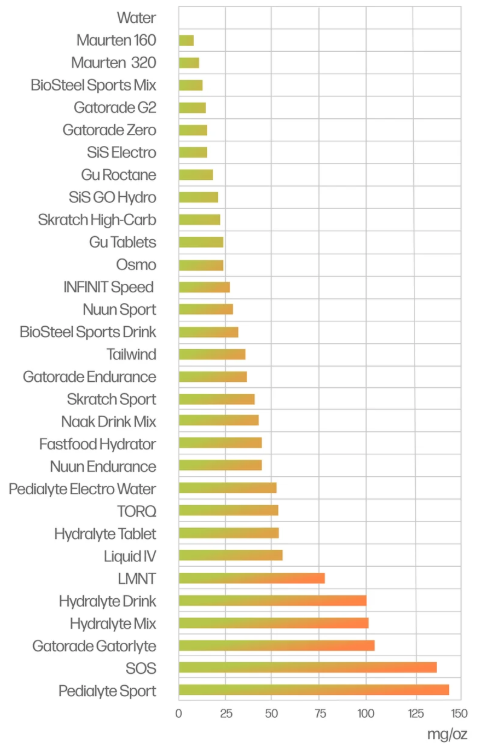
Sports drinks are the OG of electrolyte beverages, made specifically for college age athletes who were training in high heat and humidity over prolonged periods. Due to the combination of sweat loss and calorie expenditure, they were created to replenish both. This means, if you consume one 20 ounce bottle, it includes 38 grams of carbohydrates. This is an appropriate amount of carbohydrate to take in per hour of higher intensity exercise - most adults do not need this as an every day beverage. These beverages have between 200-300mg of sodium, and 50-100mg of potassium; much lower than the most updated electrolyte replenishments.
These nuances are important. What replenishment beverage or powder you choose depends on your activity, your sweat rate, daily nutrition intake, and your daily hydration level as a whole (not to mention your medical history). Commonly, individuals are under hydrating with water, so looking at fluid intake as a whole and working on increasing water intake is a first step to maintaining healthy hydration levels. The updated recommendations for fluid intake are 72-92 ounces for women and 100-124 ounces for men. This can include water, seltzer, tea, coffee, matcha, coconut water and other beverages, however unsweetened options are recommended to prioritize.
Here is a breakdown of some of the more popular varieties of beverages for reference. If your potassium intake in foods is typically low, a higher percentage in your beverage is a reasonable choice. If you had a challenging event or workout, something that has zinc and vitamin C to aid in recovery is wise.
| Beverage | Carbs (g) | Sodium (mg) | Potassium (K) | Magnesium (mg) | Chloride (mg) | Calcium (mg) | Other |
|---|---|---|---|---|---|---|---|
| Gatorade 20oz | 38 | 270 | 80 | ||||
| Powerade 20oz | 34 | 400 | 130 | Vit C | |||
| Pedialyte 16.9oz | 12 | 710 | 500 | Zinc | |||
| LMNT | 0 | 1,000 | 200 | 60 | Stevia | ||
| Liquid IV | 11 | 500 | 370 | Vit C, B vitamins | |||
| Coconut Water | 22 | 90 | 1200 | 120 | |||
| Coke | 65 | 75 | Caffiene |
Notice the lack of magnesium, chloride and calcium in most. Special versions may include small amounts - Gatorade Gatorlyte and LMNT Recharge for example. Knowing why you need it, and the difference between each will help you achieve the best end result, whether it be hydrating fast, replenishing specific electrolytes lost, or choosing a same and palatable alternative to 20 ounces of water.
Remember, it’s best to consult with your doctor, exercise physiologist or sports dietician to best identify which one is best for you.