

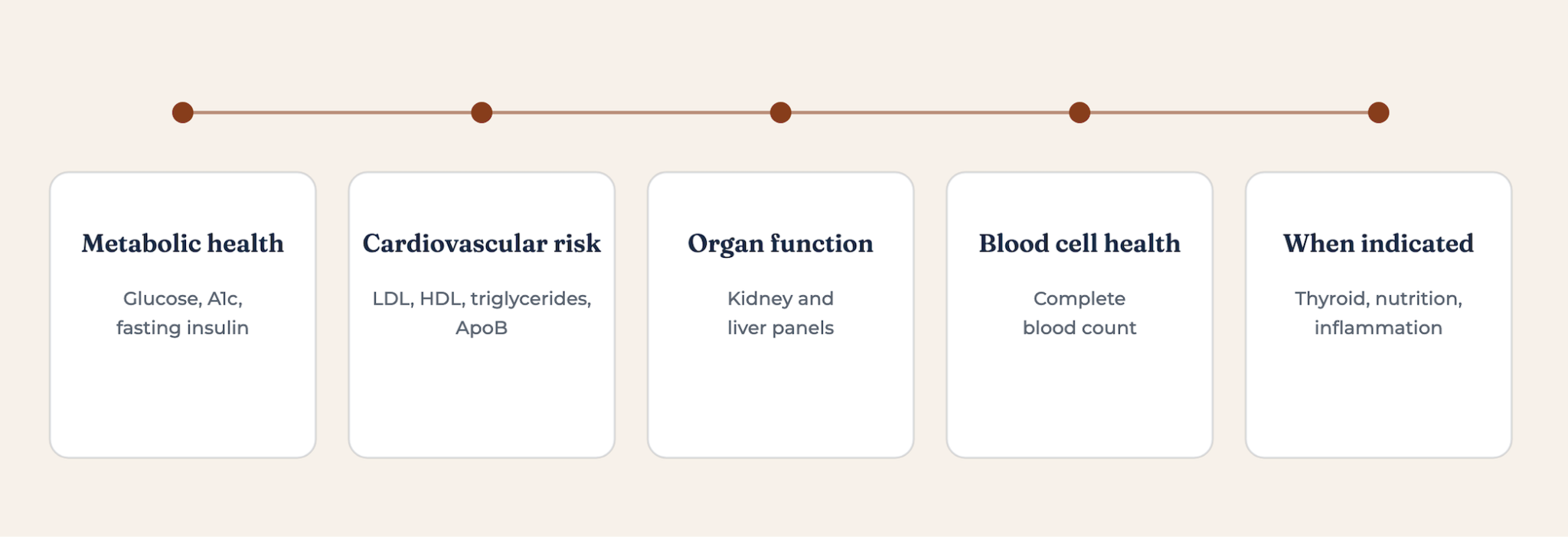
The bloodwork markers that matter most for healthy aging fall into a few core categories: 1) blood sugar and insulin sensitivity, 2) cholesterol and cardiovascular risk, 3) kidney and liver function, and 4) complete blood counts. When clinically relevant, thyroid function, nutritional markers, and inflammation testing add important context. Each category answers a different question. This guide covers what each one measures, what it can and cannot tell you, and when it is worth ordering.
How Can Bloodwork Support Healthy Aging?
Routine bloodwork gives your physician objective data to work with. It can identify changes in metabolic or organ function, establish a baseline, and help track whether an intervention is working.
Bloodwork becomes more useful when it is part of an individualized plan rather than a collection of isolated numbers. For a deeper look at how labs, medical history, diagnostics, and risk factors come together, see our guide on how personalized medicine uses bloodwork and diagnostics to build an individualized health plan.
Which Markers Give the Clearest Picture of Cardiometabolic Health?
Cardiometabolic health is central to longevity-relevant bloodwork. Cardiovascular disease and metabolic dysfunction contribute substantially to poor health outcomes in midlife, and both can often be addressed through clinical management.
Blood Sugar and Metabolic Health
The core markers are fasting glucose, hemoglobin A1c, and, for selected patients, fasting insulin.
- Fasting glucose reflects blood sugar after an overnight fast and is particularly useful when interpreted alongside previous results.
- Hemoglobin A1c (HbA1c) reflects average blood sugar over roughly two to three months. It is widely used to screen for and diagnose prediabetes and diabetes. Conditions that affect red blood cell turnover can alter A1c results, which is one reason clinical interpretation matters.
- Fasting insulin is not part of a standard diabetes diagnostic panel. In selected patients with suspected metabolic dysfunction, it may add context alongside glucose and A1c.
The American Diabetes Association recognizes fasting plasma glucose and A1c, among other measures, for screening and diagnosis of diabetes and notes that conditions affecting red blood cell turnover can interfere with A1c interpretation.
These markers show metabolic patterns rather than their cause. A rising A1c may prompt a discussion about diet, medications, body composition, family history, and other factors.
Cholesterol and Cardiovascular Risk
A standard lipid panel includes total cholesterol, LDL, HDL, and triglycerides.
- LDL cholesterol is a central marker in assessing and managing atherosclerotic cardiovascular disease risk.
- HDL cholesterol is often described as "good" cholesterol, but it should not be interpreted as a standalone risk measure.
- Triglycerides reflect circulating fats and can be influenced by metabolic health, diet, alcohol intake, and other factors.
- ApoB measures the number of atherogenic lipoprotein particles. In selected patients, it can provide additional cardiovascular risk information beyond a standard lipid panel.
The 2026 ACC/AHA dyslipidemia guideline includes selective ApoB testing to improve risk assessment in appropriate patients, including some people with elevated triglycerides or diabetes.
Whether ApoB or other expanded cardiovascular markers are appropriate depends on personal risk, family history, and existing results. This is why an effective diagnostic strategy focuses on selecting the right tests rather than ordering the largest panel possible. PrimaryMD explores this further in its clinical framework for evaluating a concierge medicine clinic.
What Do Kidney, Liver, and Blood Count Markers Tell You?
Kidney and liver markers are common components of blood chemistry panels, while a complete blood count (CBC) evaluates blood cell health. These tests may receive less attention than glucose or cholesterol in longevity discussions, but they carry significant clinical value.
Kidney Function
The primary kidney markers commonly reviewed are creatinine, blood urea nitrogen (BUN), and estimated glomerular filtration rate (eGFR).
eGFR estimates kidney filtration and is an important measure of kidney function. Persistent changes deserve attention rather than being interpreted only against a single reference range. Creatinine can also be influenced by factors such as muscle mass.
Key limit: Blood markers do not provide the complete kidney picture. When clinically appropriate, urine albumin testing can add important information. Current KDIGO guidance evaluates chronic kidney disease using both GFR and albuminuria.
Liver Function
A standard hepatic panel includes ALT, AST, alkaline phosphatase, and bilirubin. ALT and AST can provide information about hepatocellular injury, while alkaline phosphatase and bilirubin provide information about other hepatobiliary processes as per the American Association for the Study of Liver Diseases .
Abnormalities can occur for many reasons, including medications, alcohol use, metabolic liver disease, and other conditions. Results should therefore be interpreted alongside symptoms, history, medications, and metabolic risk.
Key limit: Normal liver enzymes do not necessarily exclude clinically relevant liver disease. When metabolic dysfunction-associated steatotic liver disease (MASLD) or fibrosis is suspected, further assessment may be appropriate.
Complete Blood Count (CBC)
The CBC measures red blood cells, white blood cells, platelets, hemoglobin, hematocrit, and related values.
- Red blood cells and hemoglobin can help identify anemia. Determining the type and cause may require additional evaluation.
- White blood cell count can change with infection, inflammation, medications, immune conditions, and bone marrow disorders.
- Platelets play an essential role in clotting, and both low and high counts can be clinically meaningful.
CBC testing is commonly used to evaluate anemia, infections, clotting problems, and some blood or immune disorders.
Borderline abnormalities can be misread in isolation, so CBC results are best interpreted within the broader clinical picture.
When Are Thyroid, Nutritional, and Inflammation Markers Worth Testing?
Not every marker belongs on every panel. Thyroid, nutritional, and inflammation tests are most useful when symptoms, risk factors, medical history, or another clinical question gives the result a clear purpose.
Thyroid Function
Thyroid-stimulating hormone (TSH) is the primary screening marker used when evaluating thyroid dysfunction. The thyroid influences metabolism, energy, weight, mood, and other aspects of normal physiology.
TSH may be appropriate when symptoms, history, examination findings, medications, or risk factors suggest a reason to evaluate thyroid function. If abnormal, follow-up testing is guided by the clinical context.
The U.S. Preventive Services Task Force has found insufficient evidence to determine the balance of benefits and harms of screening for thyroid dysfunction in nonpregnant, asymptomatic adults.
Nutritional Markers
Vitamin D and vitamin B12 are commonly evaluated based on symptoms, dietary patterns, medication use, bone health, malabsorption risk, or other clinical findings.
- Vitamin D plays an important role in bone and muscle health. Risk of inadequate levels varies with factors such as age, sunlight exposure, skin pigmentation, and malabsorption.
- Vitamin B12 is essential for neurological function and red blood cell formation. Deficiency risk can increase with age, certain gastrointestinal conditions, and some medications.
The NIH notes that limited sunlight exposure, older age, and conditions affecting fat absorption can increase the risk of vitamin D inadequacy.Medications including metformin can also reduce vitamin B12 absorption or concentrations in some patients.
Other nutritional markers, including iron studies and folate, may be appropriate depending on symptoms, diet, medications, and medical history. The practical question is whether the result would affect care.
Inflammation Markers
High-sensitivity C-reactive protein (hsCRP) is a marker of systemic inflammation that may also help refine cardiovascular risk in selected patients.
Its main limitation is that CRP is nonspecific. Infection, injury, and other inflammatory processes can increase the result, so an elevated value should be interpreted alongside the broader clinical picture.
The 2026 ACC/AHA dyslipidemia guideline includes hsCRP among additional markers that may help refine cardiovascular risk in appropriate patients. Other markers sometimes appear on expanded longevity panels. Their value depends on the patient's risk profile and the clinical question being investigated.
What Bloodwork Cannot Tell You
A comprehensive lab panel cannot tell you by itself whether you are aging well. Routine bloodwork is not a substitute for evidence-based cancer screening, physical examination, medical history, or other assessments.
Bloodwork also does not directly measure several important aspects of health. For example, it cannot measure cardiorespiratory fitness like a VO₂ max assessment or body composition like a DEXA scan. PrimaryMD discusses these broader measurements in its guides to VO₂ max and why it matters and how to interpret DEXA scan results.
Bloodwork is a tool, not a verdict. A normal metabolic panel does not rule out risks in areas the panel was never designed to measure. Used well, lab data adds useful signal. Used without context, it can produce unnecessary follow-up or false reassurance.
Labs, imaging, wearables, symptoms, medications, and medical history are most useful when interpreted together. PrimaryMD explains this approach in How PrimaryMD Uses Technology to Deliver Smarter, Proactive Healthcare.
How Often Should You Review Your Results?
There is no single testing schedule that applies to everyone. Frequency should reflect what is being monitored and whether a result could change care.
Testing needs can change after starting or stopping medication, a significant shift in weight or diet, new symptoms, changes in medical history, or relevant examination findings. Without a meaningful change or clinical question, more frequent testing does not necessarily provide more useful information.
For example, the ADA recommends more frequent glycemic assessment when treatment changes, health status changes, or goals are not being met rather than applying the same interval to every patient.
At PrimaryMD, testing cadence is built into each member's care plan. Reviews are scheduled around what is being monitored, with the panel and frequency evolving as the clinical picture changes. Learn more in How Personalized Medicine Uses Bloodwork and Diagnostics to Build an Individualized Health Plan and Executive Physical vs. Concierge Medicine: What Happens After the Report?.
The Bottom Line
The bloodwork markers that matter most for healthy aging are not a secret. They are the markers your physician has been trained to interpret: metabolic health, cardiovascular risk, organ function, blood cell counts, and, when clinically relevant, thyroid, nutritional status, and inflammation. What separates useful lab work from expensive noise is not the breadth of the panel. It is the quality of the interpretation.
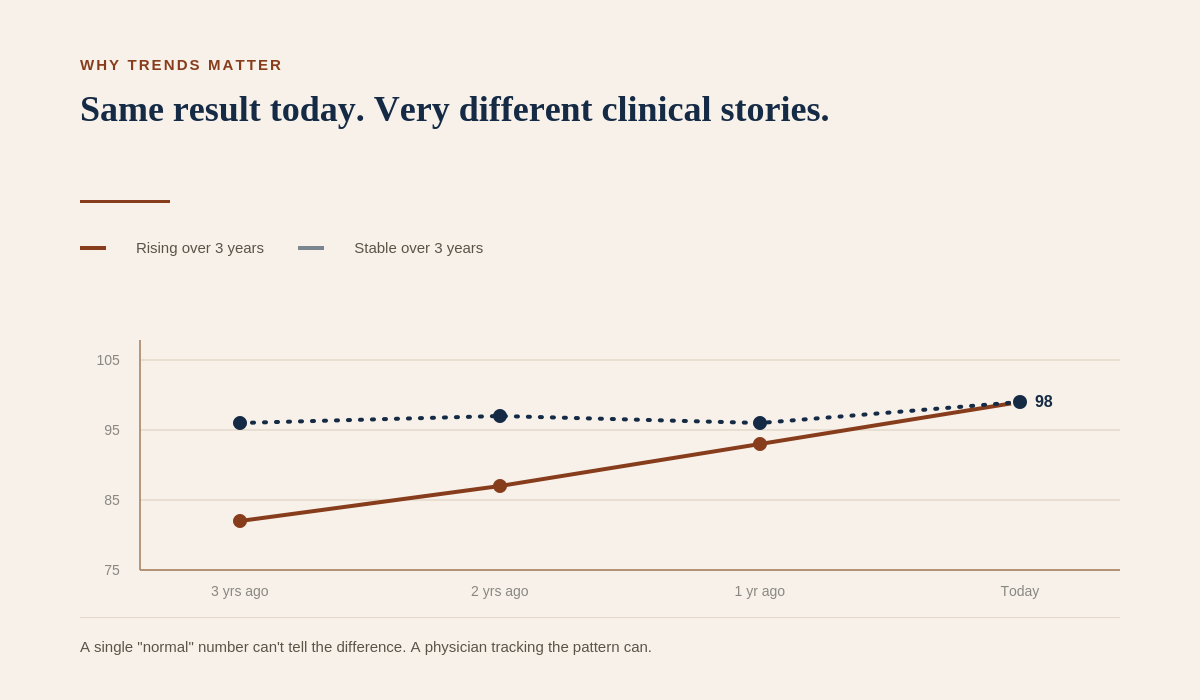
A result means something when it is read by someone who knows your history, understands your goals, and will still be there six months from now to see how the trend continues.
If you are looking for that kind of care, we would be glad to talk. PrimaryMD membership is designed for adults who want a physician-led approach to preventive health, including comprehensive baseline labs, ongoing biomarker reviews, and a care plan that evolves with you. Reach out to learn whether it is the right fit.
Frequently Asked Questions
Is a standard annual physical enough to cover the bloodwork I need?
Lab testing at an annual visit varies by clinician, age, risk profile, symptoms, and applicable preventive-care guidelines. Commonly ordered testing may include metabolic markers, lipids, a CBC, and blood sugar, but this is not universal.
If you have a family history of early heart disease, metabolic concerns, unexplained symptoms, or other risk factors, additional targeted testing may be warranted. The key question is whether the right labs were ordered for you and interpreted within the appropriate context.
For a broader comparison of routine assessment and more comprehensive preventive diagnostics, see PrimaryMD's guide to executive physicals and advanced preventive health assessments.
My results came back "normal" but I still feel off. What should I do?
Standard lab panels cannot explain every symptom. If your results are normal but you are fatigued, experiencing unexpected weight changes, sleeping poorly, or simply do not feel like yourself, it is worth discussing with your physician.
Your doctor may need to consider what the original tests did not measure and whether additional evaluation is warranted.
Do I need to fast before bloodwork?
It depends on what is being tested. Fasting plasma glucose requires fasting, whereas A1c does not as per ADA.
Follow the instructions provided with your lab order. If none were given, confirm with your physician or care team before your draw.
What is the difference between a standard lab panel and the kind of comprehensive baseline PrimaryMD offers?
A standard workup may include metabolic markers, lipids, kidney and liver markers, and a CBC, depending on the patient and reason for testing.
A more comprehensive baseline can add cardiovascular, metabolic, nutritional, and other biomarkers when appropriate. The distinction is not simply the number of tests. It is whether each test has a clinical purpose and whether results are interpreted alongside your history, risks, medications, symptoms, and goals.
PrimaryMD explains this process in How Personalized Medicine Uses Bloodwork and Diagnostics to Build an Individualized Health Plan.
Should I be worried if one of my results is slightly outside the reference range?
Not necessarily. A laboratory reference range is not the same as a diagnosis. A mildly abnormal value may be temporary, clinically insignificant, or something that warrants follow-up depending on the marker and clinical context.
Some diagnoses also require confirmation rather than relying on one isolated result. For example, the ADA recommends confirmatory testing for diabetes when unequivocal hyperglycemia is absent.
Discuss the result with your physician rather than assuming an automated flag means something is wrong.
How do I know if I am getting too much testing or not enough?
The right amount of testing helps answer a clinical question, clarify risk, monitor something meaningful, or change a decision.
A broad panel without a rationale can create more data without improving care. Conversely, repeatedly ordering only the same basic markers may miss questions that deserve targeted evaluation.
The goal is purposeful testing with accountable follow-through. PrimaryMD's clinical framework for evaluating concierge medicine explains why interpretation and follow-through matter as much as the breadth of testing.