
Key takeaways
- What it is: creatine is a compound your body makes and also gets from meat and fish. It stores quick energy (as phosphocreatine) that muscle and brain cells use to regenerate ATP.
- Best-supported use: short, intense exercise. With training, creatine monohydrate reliably improves repetitions, power, and training capacity.
- Brain: the evidence is mixed in well-rested, healthy adults. The most consistent signal is under stress, especially sleep deprivation.
- Dose: most people take 3 to 5 grams of creatine monohydrate a day. An optional loading phase fills muscle stores faster.
- Safety: in healthy people, studies have not shown kidney or liver harm. Creatine can raise creatinine on blood tests, so tell your care team before lab work.
- Check first if you have kidney disease, take medications that affect the kidneys, or are pregnant or breastfeeding.
Why is everyone talking about creatine?
Creatine has quietly powered short bursts of effort in locker rooms and supplement aisles for more than 30 years. Lately it has gone mainstream: one large US retailer reported a 300% increase in creatine sales between 2019 and 2024[1]. If you feel surrounded by pitches from influencers and magazines, you're not imagining it. Business Insider, Women's Health, and (not to be outdone) Nature have all covered what exercise scientists have known for decades: creatine works, and it works best when the fundamentals of training, sleep, and nutrition are in place (more on this later).
The biology behind creatine's success was always there, and the research supporting it has been piling up for decades. What changed is attention. What was once dismissed as “bro science” is now championed as one of the wellness world's most underrated supplements. The difference? We're finally paying attention to what happens at the cellular level when you need an extra push, whether it's a final rep, a mental sprint, or any other moment of peak demand.
Why one simple molecule can have such broad effects
Skepticism is always warranted before starting any new intervention, whether it's an over-the-counter supplement or a brand-new injectable weight-loss drug. You're probably asking how one relatively simple compound, in modest doses, could safely affect everything from attention span to your bench press. That sounds too good to be true.
It does. But try a thought experiment. If we wanted a theoretical drug that broadly improved performance, a good target would be something that improves how the body uses energy. (The technical term for this is an ergogenic aid.) Our theoretical molecule would need to increase energy on demand without causing problems while it waits to be used. Ideally it would be nontoxic, something the body already recognizes and has millions of years of evolutionary familiarity with. As it happens, creatine fits these criteria remarkably well. To understand why, it helps to know how our cells make and use energy.
How creatine works: ATP and the phosphocreatine “battery”
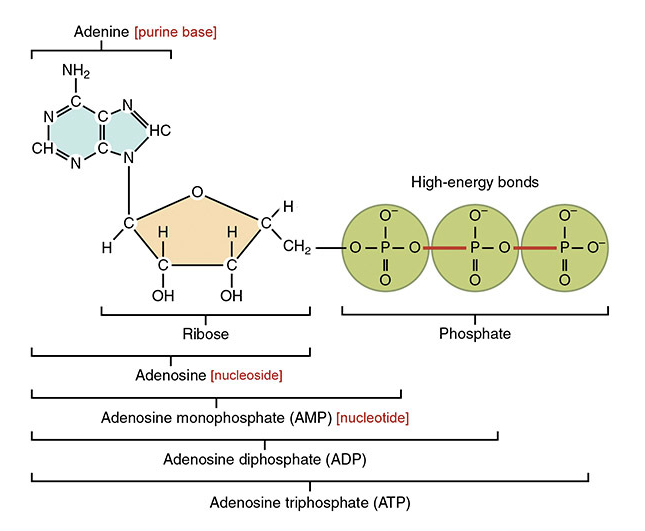
At the cellular level, the currency of energy is adenosine triphosphate (ATP)[2]. In multicellular organisms like us, the main way cells make ATP is aerobic respiration, which uses the oxygen we breathe to drive ATP production, with carbon dioxide as the exhaust we exhale.
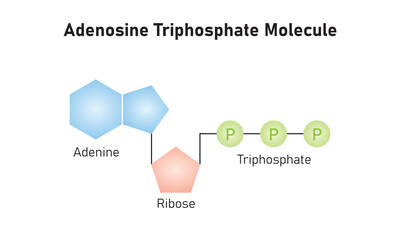
Aerobic respiration takes place in the cell's engine, or powerhouse, the mitochondria (Figure 2). There, glucose or fats are broken down through a series of chemical reactions that generate up to 32 ATP from a single molecule of glucose.
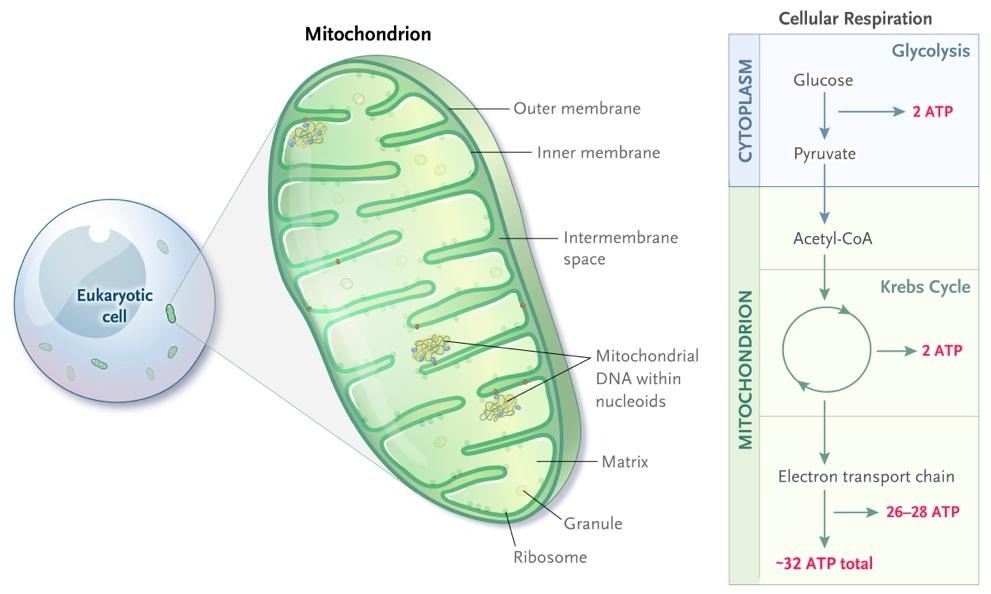
A problem immediately arises with ATP as an energy source: ATP isn't very stable. It's good on-demand energy, but it quickly loses a phosphate group and becomes adenosine diphosphate (ADP), which is more stable but holds much less readily available energy[4]. If only there were a molecule that could quickly replace the missing phosphate.
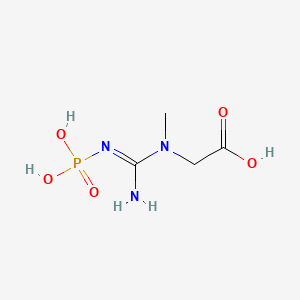
Creatine [N-(aminoiminomethyl)-N-methylglycine] exists in two forms, an amine and an imino form, which biochemists call a “tautomer.” This is handy because it allows creatine to be easily converted to phosphocreatine (by the enzyme creatine kinase; more on this later), creating a reservoir, or battery, of phosphate. With that extra phosphate, it can recharge ADP back into ATP. Simply put, the more phosphocreatine available, the more energy can be regenerated immediately.
.png)
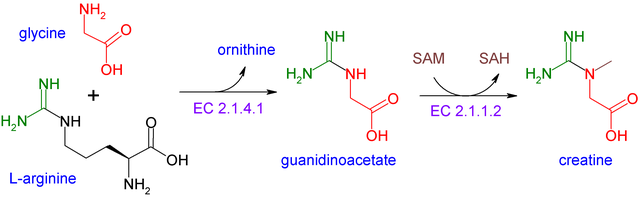
Like a battery, phosphocreatine can boost energy over time (for example, squeezing one last rep out of a muscle by delaying fatigue, which supports more muscle growth) or in space, regenerating ATP right at the muscle fiber (myofibril) sites of highest demand. Together, these effects allow more intense training and, over time, more adaptation. (If you're building strength, our guide to rebuilding strength after 40 covers the training side.)
A short history of creatine science, 1832 to 1996
To understand how fundamental creatine is to our biology, it's worth tracing the history of this molecule. The story of how we came to understand creatine, from its discovery in 1832 to its social-media moment in the past decade, is fascinating in itself. More importantly, it explains why this molecule deserves the attention.
The first character in creatine's history is the French chemist Michel Chevreul (Figure 4), who discovered it in 1832 (some sources say 1835). He named it after the Greek kreas, meaning “meat,” because he found it while boiling meat and evaporating the broth to isolate and identify organic compounds[7]. In one solution, he identified a distinct crystalline substance. He knew it contained nitrogen, was concentrated in muscle, and dissolved in water, but not much else, other than that it tasted bitter. (Taste was the mass spectrometer of the 1800s.) Chevreul himself lived to 102.

His work was followed by Justus von Liebig, who reproduced Chevreul's findings and made important new discoveries. He found that creatine wasn't scattered randomly through the body but concentrated in muscle tissue. From that, he correctly inferred that creatine was not a bystander but part of how muscle works. He went further: creatine doesn't stay put. It transforms into creatinine, which is then cleared in the urine.

That simple observation was revolutionary. It showed that chemical transformations underpin physiology: a molecule could move from a working role in muscle to a measurable waste product in urine. Liebig intuited what we now take for granted, that biochemistry leaves footprints we can measure.
Creatinine is one of those footprints. Today it's a staple of the basic metabolic panel, used both as a rough gauge of muscle mass and as a marker of kidney function. What Liebig saw as a chemical curiosity is now a number clinicians read every day and one of the most familiar molecules in medicine.

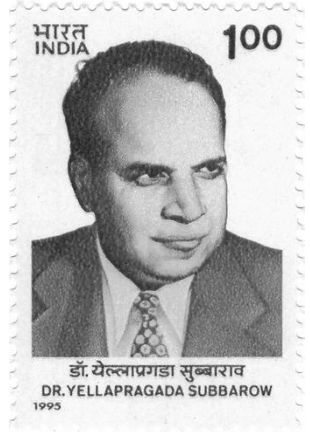
After Chevreul and Liebig, the next breakthrough came in 1927, when Cyrus Hartwell Fiske and Yellapragada Subbarow of Harvard Medical School solved the next part of the creatine puzzle. They had developed a method for measuring phosphate in an organic sample, using a reaction that produces an intense blue color in proportion to the amount of phosphate present. Applying this tool to skeletal muscle, they identified a previously unknown compound: phosphocreatine. Fiske and Subbarow went on to show that phosphocreatine levels dropped during muscle contraction while inorganic phosphate rose. This was a critical insight. It suggested that phosphate and creatine were intrinsically linked to muscle contraction, and it raised a big question: how? Although Fiske and Subbarow could not solve that mystery, they kept using their phosphate-detection method to great effect, becoming two of the three co-discoverers of ATP in 1929.
In the 1930s, several scientists, principally David Nachmansohn (Germany) and Einar Lundsgaard (Denmark), solved this mystery by studying muscles as they contracted and relaxed. Working independently, they found that:
- fast-twitch muscles contained more phosphocreatine than slow-twitch muscles
- muscle could contract using phosphocreatine alone
- during the first few seconds of muscular work, phosphocreatine broke down rapidly while ATP levels stayed unchanged, despite the energy demands of contraction
Putting these observations together, they proposed what we now know to be true: phosphocreatine gives up its phosphate to keep ATP levels stable. This became known as the phosphagen system: phosphocreatine buffers ATP by donating a phosphate to ADP[9].
This brings us to the first important enzyme in our story: creatine kinase.
A quick primer on enzymes and creatine kinase
So far we've been talking about molecules: creatine, phosphocreatine, ATP, and ADP. It's worth pausing on the enzymes that make this chemistry possible, especially creatine kinase.
If high school biology is a hazy memory, don't worry. Enzymes are proteins that speed up chemical reactions in living things. Without them, most reactions in your body would be too slow to keep you alive. They act like tiny machines and molecular matchmakers, grabbing molecules and helping (or forcing) them to react. Each enzyme has a specific shape with an “active site” that fits certain molecules (called substrates) like a lock and key. Once the substrate binds, the enzyme lowers the energy cost of the reaction, making it happen millions of times faster than it would on its own. Enzymes are specific to particular reactions, are reusable, and are tailored to the environments they work in (temperature, pH, and so on).
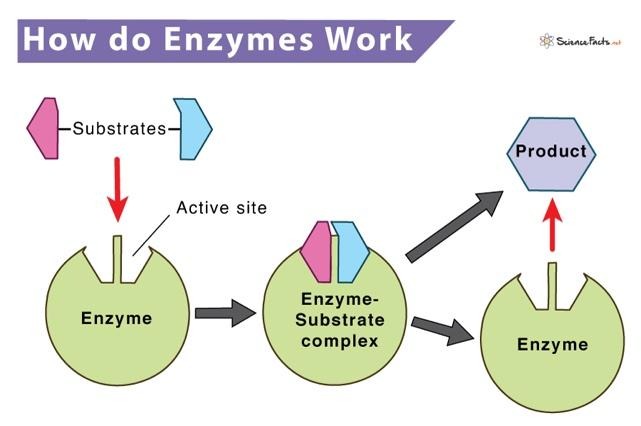

So now you know what enzymes do. What's a kinase? A kinase is a type of enzyme that adds a phosphate group to a substrate. In biology, a protein with “kinase” in its name adds a phosphate group to something. Now that you're an enzyme expert and a creatine expert, you can see why creatine kinase (CK) was the next piece of the puzzle in understanding how creatine works its metabolic magic.
Creatine kinase was identified in 1934 by Karl Lohmann, working in the laboratory of Otto Fritz Meyerhof, who had shared the 1922 Nobel Prize in Physiology or Medicine[9][11]. The discovery cemented our understanding of phosphate metabolism in skeletal muscle. If creatine is the battery we draw energy from on demand, creatine kinase is the charger. Ironically, it takes ATP to charge the battery. But it's better to spend short-lived ATP to build phosphocreatine, a much more stable energy reserve, than to let ATP break down into ADP with nothing to show for it.

From the 1940s to the 1960s, scientists identified more specific forms (isoenzymes) of creatine kinase. The first was mitochondrial CK. As the name implies, it is found in the mitochondria and loads creatine with phosphate generated by aerobic respiration (oxidative phosphorylation). Next they found a non-mitochondrial form, cytosolic CK (the cytosol is the fluid inside cells). Cytosolic CK regenerates ATP right where muscle contracts (the myofibrils) and at other ATP-hungry sites, delivering energy wherever it is needed at that moment. Together, these different creatine kinases give creatine much of its range of effects in the body. Cytosolic CK can be broken down further. Each form is built from two “subunits,” named M (for muscle) and B (for brain), based on where they are mostly found. There are three main types of cytosolic CK:
- CK-MM: the main form in skeletal muscle (blood levels rise sharply after an intense workout such as a hard interval session)
- CK-MB: found mainly in heart muscle; before troponin tests, it was the blood marker used to assess for a heart attack
- CK-BB: found in the brain and smooth muscle
Mitochondrial CK isoenzymes are built from four subunits and are located, as their name suggests, at the mitochondria. There are two main types:
- ubiquitous mitochondrial CK: found throughout the body, especially in the brain and smooth muscle
- sarcomeric mitochondrial CK: found mainly in heart and skeletal muscle, where it maintains high-energy phosphate transfer during contraction
Taken together, these discoveries revealed how creatine meets the body's energy needs by shuttling phosphate quickly and efficiently around the body.

As the figure shows, creatine kinases are everywhere, and scientists soon realized that creatine is used throughout the body, especially in tissues with high energy demands. The discovery that creatine kinases are abundant in the brain suggested that this “battery system” is not only about squeezing out another biceps curl; it may also play a role in cognitive performance (more on this later). It also hinted that creatine was more than an energy shuttle and might help regulate other body functions. While CK was already used as a clinical biomarker, it took until the 1970s and 1980s for exercise scientists to look at creatine through a performance lens. In landmark studies, Swedish physiologists Hultman and Sjöholm took muscle biopsies from the quadriceps and found that for roughly the first 6 seconds of intense contraction, ATP stayed nearly stable while phosphocreatine dropped sharply. This showed that in the first moments of muscle contraction, nearly all of the energy comes from regenerating ATP from phosphocreatine, with other energy systems taking over after that.
Although creatine's importance was well established, supplementation was not seriously studied until the 1990s. In 1992, Harris, Söderlund, and Hultman published a landmark study showing that oral creatine raises the creatine content of human muscle[13]. A year later, Greenhaff and colleagues tested whether that translated into performance[14]. Twelve participants performed five bouts of 30 maximal knee extensions, with one minute of rest between bouts, before and after taking either creatine (5 grams four times a day for 5 days) or a placebo. The creatine group produced more force across the repeated bouts, beginning with the final 10 contractions of the first bout. Small studies like these had far less impact on the popular imagination than the news that several accomplished athletes at the 1996 Olympic Games were taking creatine.
In 1997, Volek and colleagues tested an endpoint no gym regular could ignore: does creatine improve your bench press? In this double-blind study, 14 resistance-trained men performed repeated bench press sets (5 sets) and jump squats (at 30% of their one-rep max) before and after one week of supplementation. The results were impressive: the creatine group (25 grams a day, split into four doses) completed more bench press repetitions and produced more power in every jump squat set. Their post-workout lactate was higher too, not from inefficiency but from doing more work. They also gained about 1.4 kg in a week, likely a combination of water and lean mass[15].
By 2000, creatine supplementation was common in sports that rely on fast, powerful efforts, and its role in the first moments of muscle activation was well understood. But the next 25 years of research suggested creatine matters far beyond our muscles. Figure 11 shows how widely creatine synthesis is spread across the body.

What 21st-century research shows
At the turn of the century, creatine was firmly established as an ergogenic aid. But new research tools, including MRI, biochemical assays, and genetics, showed that our understanding of creatine was far from complete.
The creatine and phosphocreatine system turned out to matter for brain function, for regulating whole-body metabolism outside of exercise, and for balance in fat tissue (adipose tissue), among other things. What follows is a condensed, simplified version of the past 25 years of research in these areas.
Does creatine help your brain?
Perhaps the most exciting development of the past 20 years is growing awareness of creatine's role in brain metabolism and its potential to support cognitive function. Like skeletal muscle, the brain uses a lot of energy and often needs it in quick bursts, for example when you face a demanding or unexpected mental task. (If you're like me, you burn a lot of ATP trying to remember where you left your keys.) Naturally, as creatine's role in muscle became better known, researchers who study the brain began testing it too.
One way scientists came to appreciate creatine's importance in the brain was a familiar route in modern medicine: studying rare genetic disorders. As genetic testing became more precise, researchers identified defects in the enzymes the body uses to make creatine (AGAT and GAMT)[12] and in the transporter that moves creatine into cells (CRT, also known as SLC6A8). People with these mutations have profound cognitive impairment, often with features resembling autism. These conditions show clearly that too little creatine in the brain impairs neurological function.
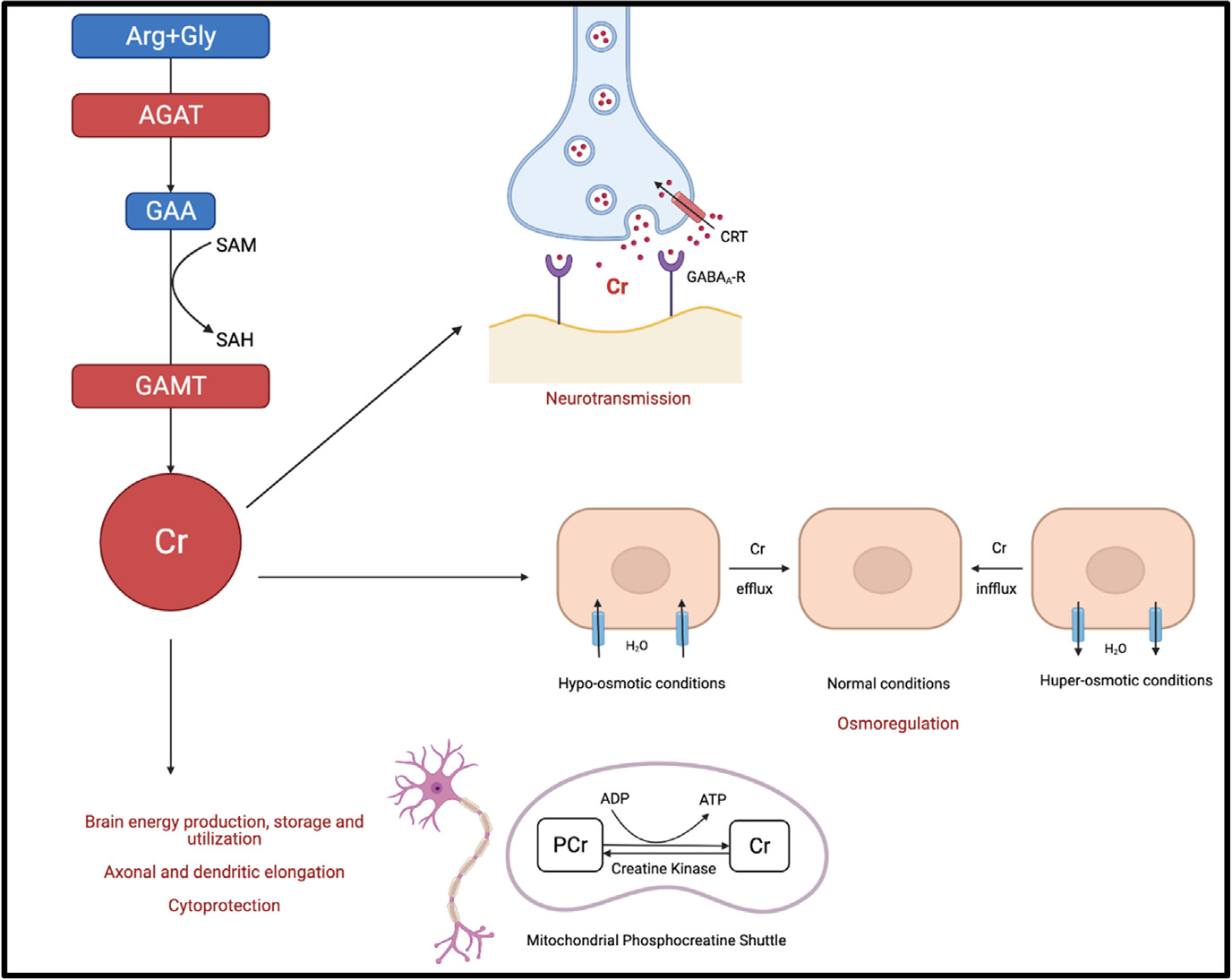
So should you start taking creatine to stave off dementia and sharpen your attention? The evidence is mixed. Some of the most interesting positive studies found that people taking creatine showed a smaller oxygen signal in the brain on functional MRI during demanding cognitive tasks (Figure 13).

Because oxygen use tracks aerobic respiration, and creatine and phosphocreatine supply energy without oxygen, this suggests that creatine-supplemented neurons may work more efficiently. Unfortunately, studies have not consistently shown better performance, and they are hard to run because brain metabolism is difficult to measure accurately. So what does PrimaryMD make of all this?
The signal worth noting: creatine's effects on brain function are most consistent under stress, especially sleep deprivation. Evidence in well-rested, healthy adults is mixed, and research on other brain stressors, such as concussion, is still early. In other words, creatine for brain health probably matters most at the extremes. The sleep-deprivation studies used high doses under lab conditions, so if you work overnight shifts and are curious, talk with your physician before trying a higher dose.
Key creatine and cognition studies
Selected studies of creatine supplementation and cognitive performance
| Year | Study | Design / sample | Cognitive domains | Key findings |
|---|---|---|---|---|
| 2003 | Rae et al.[18] | Crossover RCT, 45 young adult vegetarians | Working memory, reasoning | 6 weeks of 5 g/day improved working memory and reasoning. |
| 2006 | McMorris et al.[19] | RCT, 19 healthy adults, 24 hours of sleep deprivation | Reaction time, executive function, balance, mood | Creatine reduced the decline in several measures during sleep deprivation. |
| 2007 | McMorris et al.[20] | RCT, 32 older adults | Memory, spatial recall | One week of creatine improved most memory tasks. |
| 2018 | Avgerinos et al.[21] | Systematic review of RCTs | Memory, intelligence and reasoning | Suggested benefits for short-term memory and reasoning. |
| 2023 | Prokopidis et al.[22] | Meta-analysis of RCTs | Memory | Small but significant memory benefit, larger in older adults. |
| 2023 | Moriarty et al.[23] | Dose-response RCT, 6 weeks, healthy young adults | Multiple tasks, brain imaging (fNIRS) | No significant effects on cognition, even at 20 g/day. |
| 2023 | Sandkühler et al.[24] | Crossover RCT, 123 adults, 5 g/day for 6 weeks | Reasoning, working memory | Small benefit on backward digit span; no effect on reasoning. Vegetarians did not benefit more than omnivores. |
| 2024 | Gordji-Nejad et al.[25] | Single high dose during sleep deprivation | Processing speed, memory | Improved processing speed and short-term memory, with changes in brain energy metabolism. |
| 2024 | Xu et al.[26] | Meta-analysis, 16 RCTs, 492 participants | Memory, processing speed, attention | Significant effects on memory, processing speed, and attention. |
Creatine and metabolism: what the mostly animal research shows
Ironically, given how much creatine users have focused on building muscle and losing fat, fat cells can also use creatine, in some interesting ways.
It's a bit beyond the scope of this article, but not all fat cells are equal. In very simplified terms, the unwanted fat we usually think of is white fat. These cells are relatively inactive and store excess calories. Brown fat, on the other hand, is highly metabolically active. Beige fat sits in between and can behave more like white fat or more like brown fat. Many adults today carry more metabolically inactive white fat than they need. Brown fat, much more abundant in children but still present in adults, helps with cold tolerance (less necessary in climate-controlled lives) and is highly metabolically active.
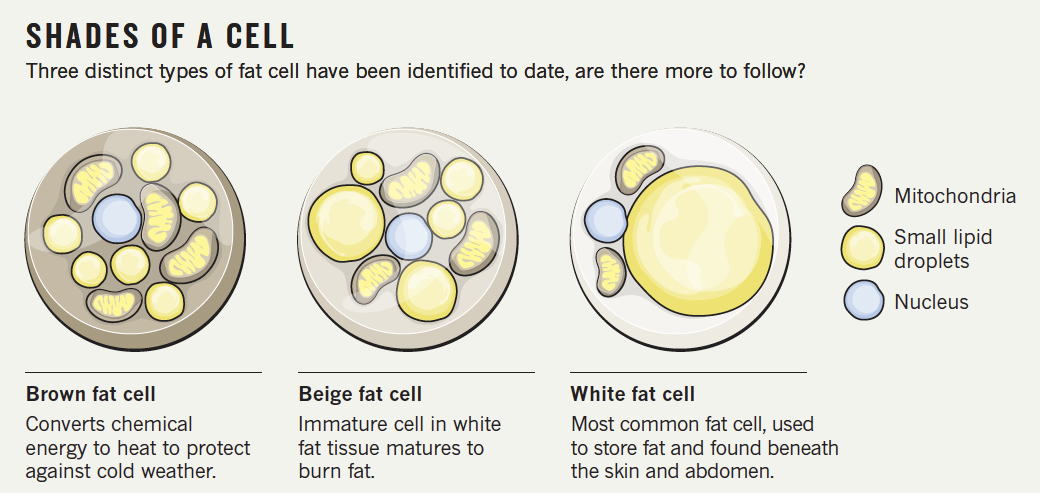
When exposed to cold, the body can shiver to make heat. It can also activate a pathway in brown fat cells that diverts energy away from ATP production (by letting protons leak across the mitochondrial membrane) and releases it as heat. This is driven by a protein called uncoupling protein 1 (UCP1). What does that mean for you? More active brown fat can raise your basal metabolic rate, increasing the calories your body uses even at rest and helping prevent those calories from being stored in less active white fat. In principle, this may also help protect against insulin resistance.
How does creatine fit in? One downside of UCP1 heat production is that it can generate reactive oxygen species, which can impair mitochondrial function and deplete important antioxidant resources such as NADPH. It turns out creatine can play a similar role through a process called “futile creatine cycling.” Instead of donating its phosphate to power work, creatine shuttles back and forth between creatine and phosphocreatine, and this cycling generates heat, apparently without the same free-radical cost as UCP1. UCP1, like brown fat itself, declines with age. At least in mice, creatine supplementation can prompt beige fat to become more like brown fat[28].
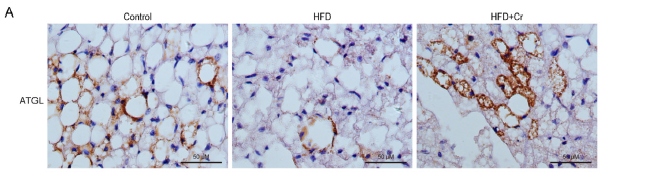
Beyond acting on fat cells directly, creatine also seems to influence the balance between storing fat and burning it. In one mouse study, animals fed a high-fat diet with creatine had much higher activity of fat-burning enzymes, better glucose tolerance, and less insulin resistance than mice fed the same diet without creatine[29].
Mouse data doesn't always translate to humans, so these findings need careful context. Still, they make a plausible case for metabolic benefits of creatine that is worth studying in people.
Does creatine cause dehydration or harm your kidneys?
Our understanding of creatine's effects on hydration and cellular resilience has also advanced over the past 25 years.
Concerns about creatine and kidney health surfaced in the 1990s after a widely publicized case of a 25-year-old man with pre-existing kidney disease whose kidney function worsened while taking creatine and improved after he stopped. That single report fueled rumors that creatine harms the kidneys. Around the same time, the media popularized theoretical risks such as dehydration and muscle cramps, claims that lacked meaningful supporting evidence[30].
At first glance, it's plausible that creatine raises creatinine, the lab marker used to estimate kidney function, and it can. That has been expected since the 1800s. Creatine may modestly raise blood creatinine, and creatinine also rises with the extra muscle mass that often comes with training, but studies in healthy people have not shown that creatine impairs kidney function. One practical point: standard estimates of kidney function (eGFR) are calculated from creatinine, so a creatine user's results can look slightly worse than their kidneys actually are. If you take creatine, tell your care team before blood work so your results are read in context. (For more on which lab values matter, see our guide to bloodwork markers for healthy aging.)
On hydration, it's clear that creatine increases water inside cells; some water-weight gain during the loading phase is common. The question was whether water outside the cells, in the blood and surrounding tissue, goes down.
The evidence suggests it doesn't, and may even help. Studies have found that creatine can offset some effects of dehydration, with better performance in athletes exercising in the heat and no increase in cramping or other distress in dehydrated athletes who took creatine[31]. (For more on fluids and minerals during exercise, see do you really need electrolytes?)
In short, creatine supplementation has not been shown to impair kidney function or increase the risk of dehydration in healthy athletes, and it may help maintain performance under heat and dehydration.
Creatine is often described as an antioxidant, though not in the classic sense of directly neutralizing free radicals. Instead, it seems to protect against oxidative stress indirectly. First, by buffering ATP levels, creatine limits the breakdown of ADP and AMP, processes that can increase free-radical production. More importantly, creatine and creatine kinase support mitochondrial function. The different creatine kinase forms are tailored to the tissues they serve, from skeletal muscle to brown fat, and even influence mitochondrial structure. In effect, creatine and creatine kinase work together to stabilize energy balance, prevent excess ADP from building up, and support efficient mitochondria. That matters because when mitochondria become dysfunctional, they can trigger apoptosis, the programmed death of the cell.
How to take creatine
We've established creatine's credentials as a supplement, so let's turn to practical matters. How should you take it, and how much?
How much creatine does your body use?
An average-sized adult man (70 kg, or about 154 pounds) stores about 120 grams of creatine and turns over about 2 grams a day. The body makes about half of that (roughly 1 gram a day); the rest comes from food (meat and fish are the richest sources) or supplements. People who eat little or no meat get less creatine from their diet, which is one reason diet matters here (see what nutrition coaching can do). The most common supplement form is creatine monohydrate. As Chevreul found, creatine dissolves in water, but because it carries a charge, it needs active transport to get into cells. Raising blood levels creates a gradient that helps drive it into cells.
How much creatine should you take? Loading vs. maintenance
Most dosing protocols come from the 1990s studies described above. They typically use a loading phase (split into four doses a day) followed by a maintenance phase (once a day). A simple rule of thumb from the research: about 20 grams a day, split into four 5-gram doses, for 5 to 7 days, then 3 to 5 grams a day. If you like math, the International Society of Sports Nutrition gives weight-based guidance[32]:
- Loading phase (optional): about 0.3 grams per kilogram of body weight per day, split into four doses, for 5 to 7 days. For a 70 kg adult, that's about 5 grams four times a day.
- Maintenance phase: 3 to 5 grams a day. Larger athletes may use 5 to 10 grams a day.
- No loading: taking 3 grams a day from the start raises muscle creatine to a similar level, just more slowly, over about 4 weeks[33].
If you're interested in the most heavily cited studies of creatine and exercise performance, organized by dosing protocol, here they are.
Key creatine loading studies
Landmark studies on creatine loading protocols and their main findings
| Study | Protocol | Findings |
|---|---|---|
| Harris et al. (1992)[13] | 20 to 30 g/day (4 to 6 doses) for several days | Significant increase in the total creatine content of the quadriceps muscle. |
| Hultman et al. (1996)[33] | 20 g/day for 6 days, then about 2 g/day; or 3 g/day for 28 days | Rapid increase in muscle creatine, maintained on a low dose. The slower low-dose approach reached a similar level. |
| Stout et al. (2000)[34] | 20 g/day | Raised the neuromuscular fatigue threshold. |
| Ziegenfuss et al. (2002)[35] | 15.75 g/day (3 doses) | Improved sprint performance and increased muscle volume. |
| Law et al. (2009)[36] | 5-day loading (4 × 5 g/day) with resistance training | Improved anaerobic power in trained athletes. |
What does supplementation do where it matters, inside the muscle cell? Studies have found that protocols like these increase muscle total creatine by about 20% and phosphocreatine by about 17%[37]. Some studies also suggest that taking creatine with carbohydrate[38] and/or protein[39] may increase uptake into cells through the creatine transporter (CRT), which appears to be sensitive to insulin.
Brain creatine levels are harder to raise. The central nervous system (the brain and spinal cord) has more barriers limiting how much creatine can get in, and the brain can also make much of its own creatine (neurons have the enzymes needed). To get around this, researchers have tried longer loading phases, up to 28 days. But as above, current evidence suggests creatine helps cognition mainly in a “stressed” brain. Putting this together: during periods of high stress, sleep deprivation, or concussion, temporarily increasing the dose to about 0.3 g/kg a day makes sense physiologically and fits the current evidence, but we have not found evidence that staying at that dose long term improves cognitive performance. Talk with your physician before trying this.
Which form of creatine is best?
This part is easy. Creatine monohydrate is by far the most studied form and has the strongest evidence. Alternatives such as creatine hydrochloride are mostly marketing, offering little or no proven advantage, often at a higher price. What does matter is quality. Some lower-quality products, including some manufactured in China, have been found to contain contaminants such as dicyandiamide, dihydrotriazine, excess creatinine, and heavy metals[40]. Choose a product that is third-party tested for purity.
Is creatine safe long term?
Long-term studies of creatine supplementation, most lasting 1 to 2 years and the longest about 5 years, have not found signs of kidney, liver, or muscle injury in healthy people[32][30]. Creatine has also been widely used for about 30 years without a recognized rise in kidney failure or other complications among previously healthy users. That is reassuring, though this kind of real-world observation is weaker evidence than controlled studies. The most common effects are modest water-weight gain, especially during loading, and stomach upset when large single doses are taken; splitting doses helps.
Who should talk to a physician before taking creatine?
Creatine is well studied in healthy adults, but some people should check with their physician first:
- People with kidney disease, reduced kidney function, or a history of kidney problems. Most safety data come from people with healthy kidneys.
- People taking medications that can affect the kidneys, such as regular high-dose anti-inflammatory painkillers, certain diuretics, or other drugs your physician monitors kidney function for.
- People who are pregnant or breastfeeding, since there isn't enough safety research in these groups.
- Anyone under 18.
- Anyone with lab work coming up. Creatine can raise blood creatinine and make kidney function look worse than it is, so let your care team know you take it.
PrimaryMD members can ask their care team whether creatine fits their goals, labs, and medications.
The bottom line
Creatine has long been stereotyped as a supplement for gym regulars, but its story is richer and more fundamental. From its discovery in boiled meat in the 1830s to 21st-century research on the brain, fat tissue, and mitochondria, creatine has proven to be one of the most versatile molecules in human physiology. It powers short bursts of exercise, buffers cellular energy, and supports mitochondrial function, and animal research suggests it may influence fat metabolism. Concerns about dehydration and kidney injury in healthy people have not been borne out, and decades of research show creatine monohydrate to be one of the best-studied and safest supplements available.
Creatine doesn't rewrite biology; it supports what's already there, giving you a little more energy in the moments that demand it. Whether you're chasing a new personal record or getting through a stretch of short sleep, it can be a small but meaningful boost. If you're unsure whether it fits your health picture, ask your physician.
Creatine at a glance