
Key takeaways
- Recovery is about more than sore muscles. After exercise, your body restores energy stores, repairs tissue, rebalances ions and resets your nervous system.
- For most people, the problem isn’t overtraining. It’s under-recovering.
- Sleep, hydration and fueling, paired with a proper training program, come first. Recovery tools come after.
- Of the popular tools, massage has the strongest evidence. Compression and red light therapy have supporting research. Foam rolling and massage guns offer smaller benefits, and float tanks need more research.
- Regular cold plunges or cryotherapy may blunt the adaptations you’re training for.
- Before paying for a new tool, look for independent research, not company-funded studies.
There are so many tools, labs, spas and centers in the business of recovery. But before we talk about the good, the bad and the ugly, what exactly are we trying to recover from?
Typically, recovery is spoken about in regard to recovery from exercise and, more generally, from a stressor (travel, parties and events).
Overtraining or under-recovering?
Let’s start with exercise. For decades, recreational exercisers and athletes who had decreased motivation or performance, or who presented with an injury, were considered to be “overtraining.”
Overtraining is a phenomenon of stressing the body with physical activity so much that it is beyond the body’s ability to recover and adapt appropriately. This is hard to achieve: our bodies are incredibly resilient and can overcome quite a bit of stress. Typically, true overtraining really happens in the military and in high-intensity, high-volume endurance athletes [1].
Common signs of overtraining
- Loss of performance
- Workouts feel harder
- Excessive soreness
- Lack of appetite
- Fatigue
- Mood problems and lack of focus
- Poor sleep or insomnia
- Decreased libido
- Frequent illness
- Frequent or nagging injuries
- Fat gain and loss of muscle mass
- Elevated morning resting heart rate
For most of us, the more appropriate term is not overtraining, but under-recovering. This can lead to a lack of performance gains, and even a reduction in performance.
The physiology lesson: what are we recovering from?
During exercise, we create a stressor on our body that uses up energy sources. That means ATP-PCr depletion (fast energy stores), glycogen depletion (somewhat fast energy stores), reduced glucose availability (lower blood glucose levels) and dehydration. Of course, the amount of each depends on the intensity and duration of the exercise.
For a short walk, we don’t really need much recovery time, since we have not depleted our energy stores. But after a tennis match, it is entirely likely we have depleted some energy stores.

When we talk about progressive resistance training, we also have to think about the structural and neural changes that occur. When we tax nerve excitability and the connection to the muscles, and stress the muscles and the smaller contractile fibers within them, there are additional recovery needs.
The damage to muscle (good damage for stimulating adaptation, but damage nonetheless) also disrupts calcium balance inside and outside of the cell. Review our electrolytes article for more on this ion balance. Transient inflammation does occur, and creatine kinase, troponin and myoglobin levels in the bloodstream increase. This is a good way to track the inflammation from a workout, and also a good reason not to do a heavy workout right before your annual bloodwork!
Now, energy depletion and tissue damage are not mutually exclusive. You absolutely can have muscle damage and neural fatigue from tennis, and resistance training can deplete energy stores. The point here is that we are recovering from more than just a sore muscle.
Why do we need to recover?
To restore, break down and repair! All of the following is needed to come back for a quality workout again and again:
- Bone turnover: improve bone density
- Protein turnover: break down damaged tissue and build stronger tissue in its place
- Red blood cell (RBC) turnover: repair damaged cells and build increased plasma and RBC numbers
- Cardiac and skeletal muscle recovery: build better and stronger
- Gluconeogenesis: restore energy stores
- Enzymatic synthesis: build stores to break down new energy stores
- Mitochondrial reproduction: improves energy breakdown and enhances longevity
- Reduce inflammation: return to a resting, non-inflamed state after cell repair
- Increase immune cells: bounce back healthier!
- Increase collagen and elastin: increased levels of growth hormone, testosterone
- Enhanced neural excitability
Now the good stuff: what is best for recovery?
Spoiler alert… it is not as sexy as you may think. The overwhelming evidence tells us to start with sleep, hydration and fueling, paired with a proper training program to avoid overtraining.

Sleep
Researchers have proposed several theories for why we sleep [2]. Sleep restores the immune and endocrine (hormone) systems. It helps the nervous system and metabolism recover from the demands of being awake. And it plays a vital role in learning, memory and the brain’s ability to adapt (synaptic plasticity). Together, these theories help us understand just how much sleep can affect recovery and adaptation.
Symptoms of low sleep include decreased peak power output, a quicker time to exhaustion, lower mood and motivation, decreased alertness, slower decision-making, slower reaction time and a higher rating of perceived exertion during exercise. Over time, metabolism is altered, heart rate variability worsens and inflammation remains elevated. The result: reduced recovery.
Sleep is the only strategy that affects each one of the factors mentioned above that make recovery necessary.

Nutrition
Recovery is a highly metabolic activity! As listed earlier, it requires both the breakdown and the buildup of cells, energy stores and proteins.
In general, for less intense activity, we just want to match intake to output well, getting whole foods, variety and minimal processing to maximize antioxidants, phytochemicals and all the vitamins, minerals and macros we need. This means we also need unsaturated fats outside of the pre- and post-workout window, when we are maximizing carbs and protein for repair. Below is a quick reference for recovery fueling for training and performance:
| Goal | Focus | How much |
|---|---|---|
| Refuel | Carbohydrates | 1.0–1.2 g per kg of body weight in the first hour (for speedy recovery) |
| Repair | Protein | 0.25–0.3 g per kg of body weight, or 15–25 g with about 10 g of essential amino acids (EAA) |
| Reduce inflammation | Color | Phytonutrients and antioxidants from colorful whole foods |
| Rehydrate | Fluids | 125–150% of fluid losses |
| Recharge | Rest | Sleep and downtime |
Amounts for athletes and active adults, from the joint position statement of the Academy of Nutrition and Dietetics, Dietitians of Canada and the American College of Sports Medicine [3].
Hydration
Fluid intake is often overlooked, despite how impactful it can be! Just a mild level of dehydration, losing 1% of body weight with exercise, can reduce both mental and physical performance.
Aim to replace 16–24 ounces of fluid for every pound of water weight lost during a workout [3]. Don’t know your fluid loss after workouts? A good rule of thumb is to shoot for 90–96 ounces of fluid a day if you are an active female, and 120–130 ounces for men.
IV treatments are nothing groundbreaking. They are just a quicker way of delivering fluid to the bloodstream than drinking, where fluids pass through the stomach and are absorbed into the blood plasma via the small intestine. Drinking takes only minutes longer than a direct infusion.
The other players: do recovery tools work?
When in doubt about a new trend, tool or sexy spa offering, it is wise to refer to the literature before paying up front. Look for robust evidence outside of company-funded studies, and for systematic reviews with consistent protocols that show consistent results… or ask your friendly physiologist!
First, know what these tools are marketing. Are they reporting on reduced myoglobin, cytokines and troponin after a workout? Most likely not. Are they reporting faster rates of regaining ion balance, neural excitability or enzymatic function? Rarely, if at all.
Very commonly, techniques and tools measure subjective measures of recovery, or force output after treatment. These are not null and void, but they are limited. Beware of those that report quicker rates of lactate removal, as lactate naturally returns to baseline in less than 2 hours after exercise.
Below is a quick summary of common tools used and marketed for recovery. Keep in mind, the research on these is predominantly conducted on athletes performing maximal or supramaximal efforts in cycling, running or resistance training, with recovery observed 2 to 72 hours after the activity.
Massage
Massage (sports or deep tissue) is the primary one we know does positively impact subjective and objective measures of recovery [4]. Research on massage shows inflammatory markers and biomarkers of muscle tissue damage are reduced when massage is performed short term, within hours of the activity [5]. Additional benefits include reduced delayed onset muscle soreness (DOMS) and improved range of motion (ROM).
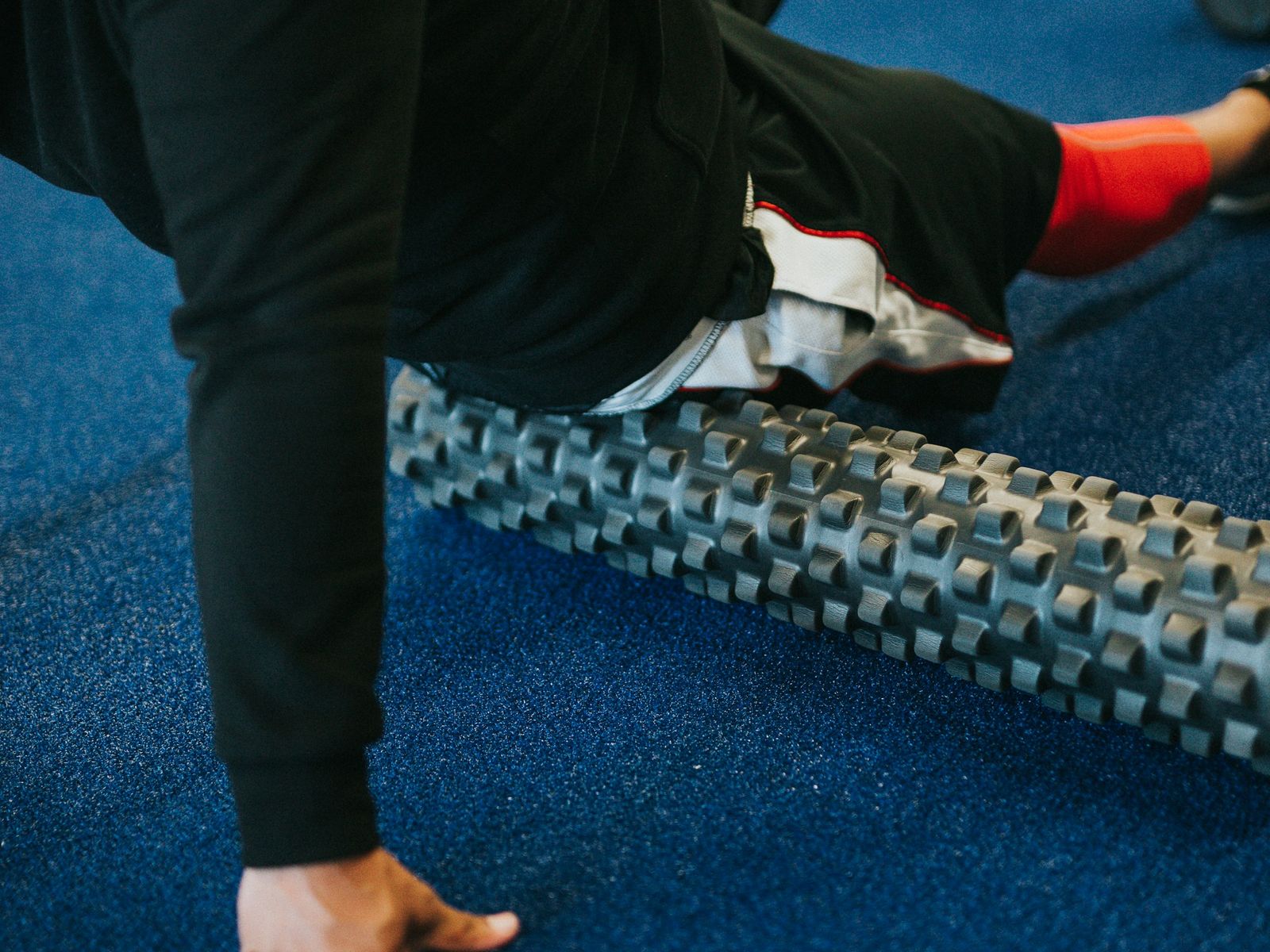
Foam rolling
Sure, foam rolling is good for reducing DOMS and may improve ROM after an intense workout. The benefit appears relatively subjective, but hey, it doesn’t hurt [6]. Think of it as a more superficial massage with less significant benefits.
Massage guns
Massage guns have become one of the most used yet least researched recovery tools of the last few years. The research we have suggests their effects are very similar to foam rolling, and there are no specific, consistent recommendations for the duration, intensity or frequency needed for benefits [7].
Compression garments and boots
Compression tools aid blood flow, which allows for lymph drainage (that is, reducing fluid accumulation from inflammation). Because they aid blood flow, it is also theorized that they help deliver hormones to all the areas that need them. Studies show moderate evidence of reduced DOMS and reduced fatigue with repeated bouts of activity on consecutive days [8] [4]. Think of this in settings where you have a multi-day event, like a thru-hike or relay event.
Cold immersion (cold plunges) and cryotherapy

If LeBron tells you to jump, will you jump? Cryotherapy has become more common in professional athletics for recovery. However, when applied to the general population, the utility has become a bit diluted (pun intended).
Elite athletes who are pushing themselves to their limits in a game or event can benefit from using these methods as an analgesic (pain reliever). Reduced pain is fantastic. However, when used as a consistent strategy to reduce inflammation, cold can actually blunt the acute inflammation needed to break down tissue so healthier tissue can be generated. In other words: reduced adaptations for your hard work [9]!
Float tanks
This one falls into the “let’s wait and see what more research shows” category. The idea is that sensory deprivation can expedite recovery by removing stressors.
There is not enough research for me to tell you yes, do it. However, preliminary work suggests it can help reduce sympathetic nervous system (SNS) activity [10]. See our HRV article for more on the SNS. This means it may be useful for improving sleep, which indirectly means enhanced recovery. One heads-up: if you know you need to be alert and perform well, suppressing the SNS with these tools may be counterproductive.
Photobiomodulation (red light therapy)
Photo what? You may hear it called red light or infrared therapy, or, more recently, green and yellow light treatment.
Photobiomodulation uses light at wavelengths of roughly 600 to 1,000 nanometers (nm) to influence cellular function. We now have great studies in athletes that support the impact of these treatments on restoring energy stores and reducing biomarkers related to muscle damage [11]. This is great for injury recovery when applied 3 times per week, or for acute recovery and reduced DOMS.
Yellow and green light have shorter wavelengths, so they penetrate more superficially, suggesting they may be more beneficial for wound or skin repair.
Recovery tools at a glance
| Tool | What the research suggests | Bottom line |
|---|---|---|
| Massage | Improves how recovered you feel and objective measures; reduces markers of inflammation and muscle damage when done within hours; less DOMS, better range of motion | The strongest evidence of the group |
| Foam rolling | Less DOMS and may improve range of motion; benefits are mostly subjective | A more superficial massage. It doesn’t hurt. |
| Massage guns | Effects similar to foam rolling; no consistent guidance on duration, intensity or frequency | Popular, but under-researched |
| Compression garments and boots | Moderate evidence for less DOMS and fatigue with activity on consecutive days | Consider for multi-day events |
| Cold immersion and cryotherapy | Pain relief; regular use may blunt training adaptations | Use situationally, not as a daily habit |
| Float tanks | Preliminary: may calm the SNS and help sleep | Wait and see |
| Photobiomodulation (red light) | Supports restoring energy stores and reducing muscle-damage markers and DOMS | Promising for injury and acute recovery |
How your PrimaryMD care team can help
For PrimaryMD members, recovery is part of the plan, not an afterthought. Your physician-led care team, including your exercise physiologist, can help you build a training plan with recovery built in, and help you sort the evidence from the marketing before you spend money on the next new tool.
References
- Meeusen R, Duclos M, Foster C, et al. Prevention, diagnosis, and treatment of the overtraining syndrome: joint consensus statement of the European College of Sport Science and the American College of Sports Medicine. Med Sci Sports Exerc. 2013;45(1):186-205. doi:10.1249/MSS.0b013e318279a10a
- Fullagar HHK, Skorski S, Duffield R, et al. Sleep and athletic performance: the effects of sleep loss on exercise performance, and physiological and cognitive responses to exercise. Sports Med. 2015;45(2):161-186. doi:10.1007/s40279-014-0260-0
- Thomas DT, Erdman KA, Burke LM. Position of the Academy of Nutrition and Dietetics, Dietitians of Canada, and the American College of Sports Medicine: nutrition and athletic performance. J Acad Nutr Diet. 2016;116(3):501-528. doi:10.1016/j.jand.2015.12.006
- Dupuy O, Douzi W, Theurot D, et al. An evidence-based approach for choosing post-exercise recovery techniques to reduce markers of muscle damage, soreness, fatigue, and inflammation: a systematic review with meta-analysis. Front Physiol. 2018;9:403. doi:10.3389/fphys.2018.00403
- Crane JD, Ogborn DI, Cupido C, et al. Massage therapy attenuates inflammatory signaling after exercise-induced muscle damage. Sci Transl Med. 2012;4(119):119ra13. doi:10.1126/scitranslmed.3002882
- Wiewelhove T, Döweling A, Schneider C, et al. A meta-analysis of the effects of foam rolling on performance and recovery. Front Physiol. 2019;10:376. doi:10.3389/fphys.2019.00376
- Sams L, Langdown BL, Simons J, et al. The effect of percussive therapy on musculoskeletal performance and experiences of pain: a systematic literature review. Int J Sports Phys Ther. 2023;18(2):309-327. doi:10.26603/001c.73795
- Hill J, Howatson G, van Someren K, et al. Compression garments and recovery from exercise-induced muscle damage: a meta-analysis. Br J Sports Med. 2014;48(18):1340-1346. doi:10.1136/bjsports-2013-092456
- Roberts LA, Raastad T, Markworth JF, et al. Post-exercise cold water immersion attenuates acute anabolic signalling and long-term adaptations in muscle to strength training. J Physiol. 2015;593(18):4285-4301. doi:10.1113/JP270570
- Feinstein JS, Khalsa SS, Yeh H, et al. The elicitation of relaxation and interoceptive awareness using floatation therapy in individuals with high anxiety sensitivity. Biol Psychiatry Cogn Neurosci Neuroimaging. 2018;3(6):555-562. doi:10.1016/j.bpsc.2018.02.005
- Vanin AA, Verhagen E, Barboza SD, et al. Photobiomodulation therapy for the improvement of muscular performance and reduction of muscular fatigue associated with exercise in healthy people: a systematic review and meta-analysis. Lasers Med Sci. 2018;33(1):181-214. doi:10.1007/s10103-017-2368-6